 Pin It
 Lemon and ginger are such bold personalities in the kitchen—always lively, sometimes unruly, but somehow, when they meet in a pitcher, they get along famously. The first time I tried making this ginger prebiotic lemonade, the sharp aroma of freshly sliced ginger mingled with zesty lemon, and it was like my kitchen took a deep, refreshing inhale. That moment, I realized how fun it can be to craft a drink that’s both vibrant and secretly good for your belly. There’s something satisfying about whisking in a dash of prebiotic fiber, knowing you’re stirring in a boost for your gut. This lemonade is my go-to antidote for sluggish afternoons or when I want to bring a pitcher of sunshine to the table.
I still remember pouring tall glasses of this lemonade for friends on a humid evening, ice cubes clinking and condensation collecting while we laughed over uneven lemon slices. Someone asked if it was store-bought, and that small triumph still makes me grin. Even my skeptical neighbor, who usually avoids anything labeled 'fiber', requested a refill before dessert. It quickly became the most requested drink at every impromptu get-together that summer. Looking back, it’s amazing how a splash of ginger syrup can turn a simple pitcher into an excuse to linger longer at the table.
Ingredients
- Fresh ginger root: Slicing the ginger thinly lets out the most flavor—don’t skip peeling, unless you like earthy notes.
- Raw honey or maple syrup: Both lend just enough sweetness; maple keeps it vegan and brings a subtle depth.
- Freshly squeezed lemon juice: Using real lemons means the flavor pops and makes the lemonade truly refreshing.
- Prebiotic fiber powder: It dissolves best if you whisk well—start with a little, taste, and add more if you like.
- Cold filtered water: Clean, cold water keeps everything crisp and lets the fresh ingredients shine.
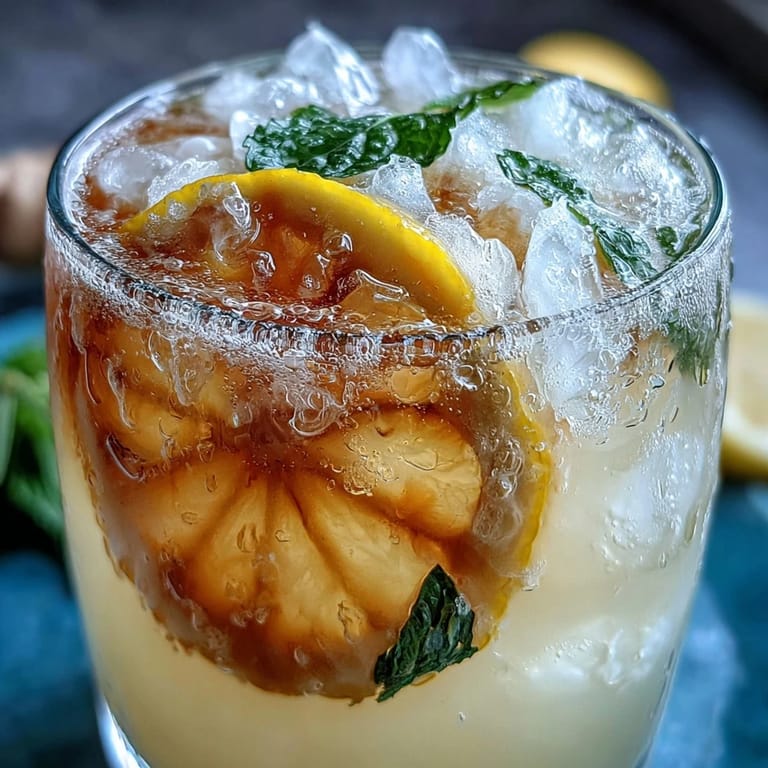
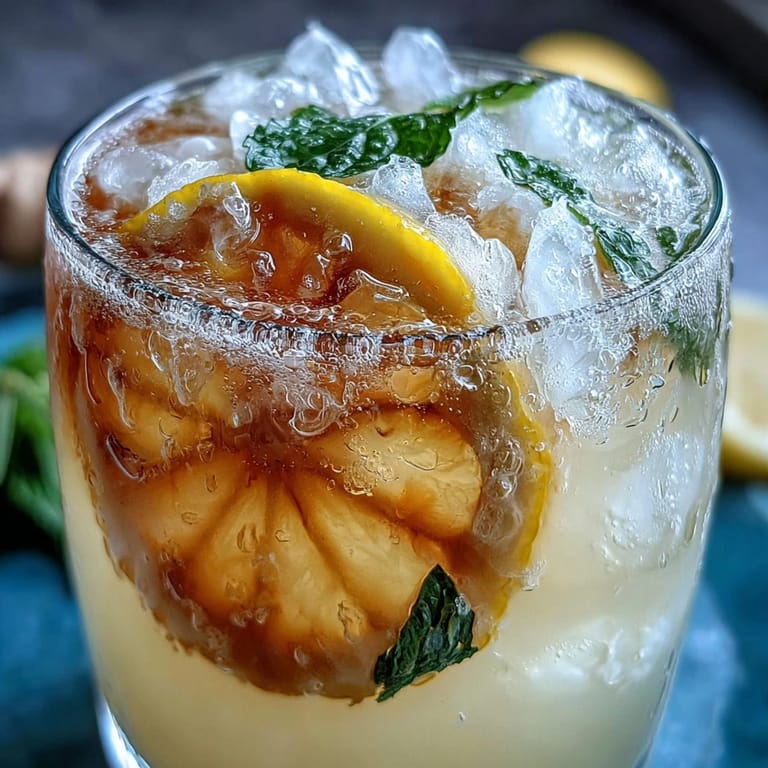
- Ice cubes, lemon slices, and fresh mint leaves: These are for serving and make each glass feel a bit more special.
Tired of Takeout? 🥡
Get 10 meals you can make faster than delivery arrives. Seriously.
One email. No spam. Unsubscribe anytime.
Instructions
- Simmer the ginger:
- Add peeled and sliced ginger to a saucepan with water. Bring the mixture to a boil, then turn the heat down and let it gently bubble for 10 minutes—enjoy the steamy ginger hit, but keep an eye so it doesn’t boil dry.
- Sweeten the syrup:
- Strain the steaming syrup into a bowl, then stir in honey or maple syrup until it disappears into golden sweetness. Leave it to cool; I’ve rushed this before and the flavor just isn’t the same.
- Mix the lemonade base:
- In your largest pitcher, combine the cooled ginger syrup, lemon juice, cold filtered water, and prebiotic fiber powder. Arm yourself with a whisk (or a determined spoon) and mix until silky and smooth—check the bottom for sneaky fiber clumps.
- Adjust to taste:
- Dip a spoon and taste—add more honey or syrup if you want it sweeter, keeping in mind that the chill can mute flavors a bit.
- Serve over ice:
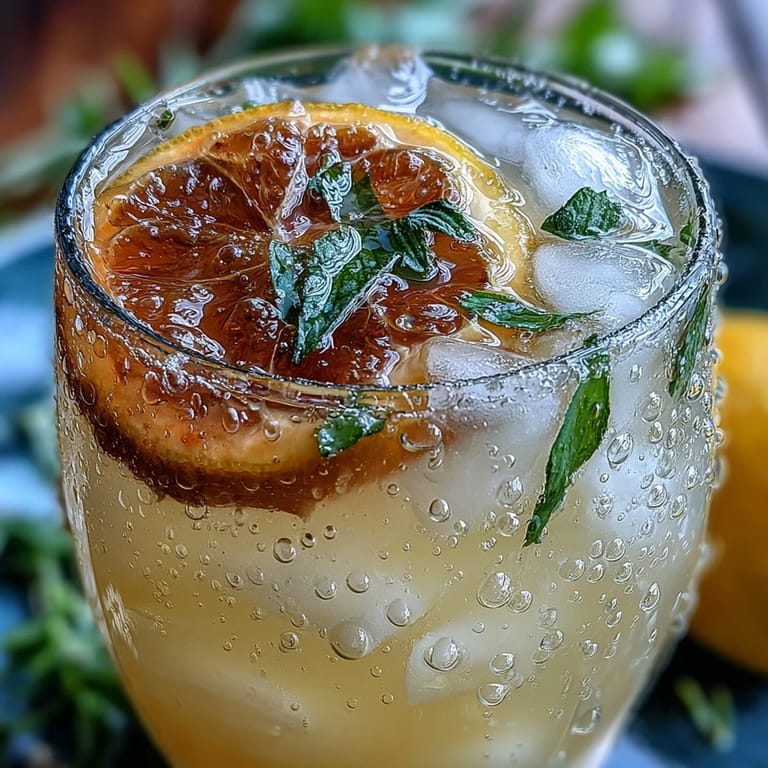
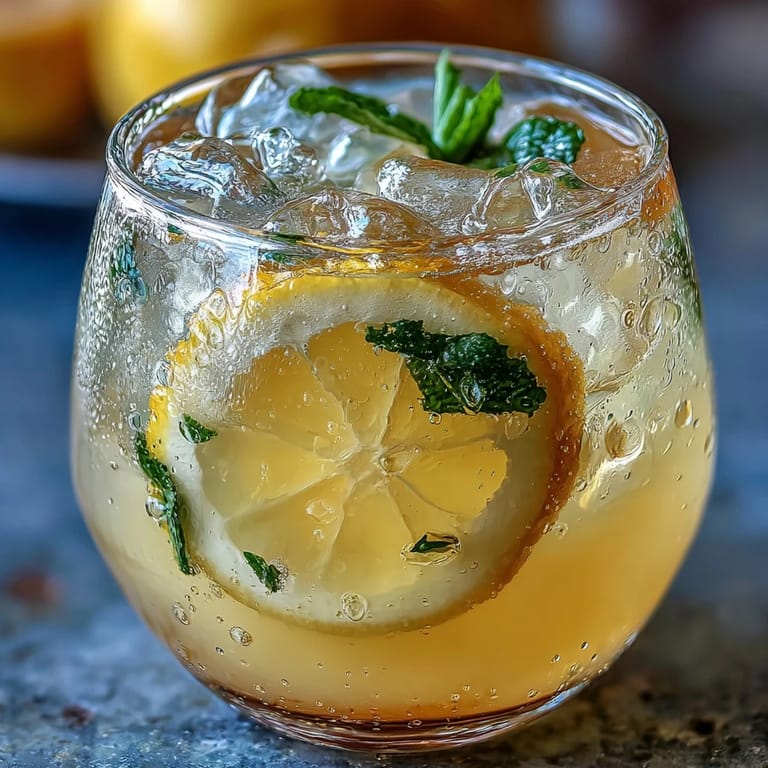
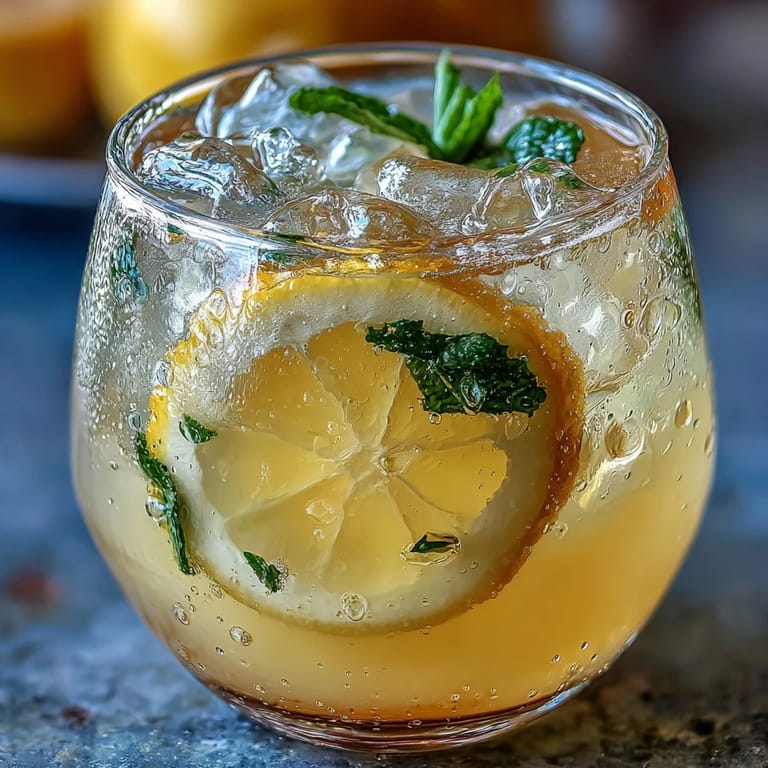
- Pour over ice cubes or add them straight to the pitcher for fast cooling. This is the part that always gets oohs when you top with lemon slices and a mint leaf or two.
 Pin It
  Pin It
 One afternoon, my niece declared she could 'taste sunshine' after her first sip, and that’s when I realized this drink was more than a recipe—it’s a memory in a glass. Whenever I make it now, I always pause to watch everyone’s faces as they try it, waiting for that delighted grin.
Finding the Right Ginger Kick
Over time, I learned simmering ginger longer gives the syrup an extra bite, while a quick boil keeps things mellow. If you're ginger-shy, go easy at first; but if you crave that fiery zing, let it bubble away a little longer. Sometimes I even muddle a few extra raw slices in the pitcher for more punch. Taste evolves with the crowd—don’t be afraid to play with ginger intensity. Your kitchen, your rules.
Tailoring Sweetness and Fiber
Lemonade is all about balance, and every batch I make seems to need a tiny tweak. Don’t hesitate to taste before you pour; lemons vary wildly in sharpness. For the fiber, start with a bit and work up so your glass is smooth and pleasant. I learned that whisking in the fiber powder patiently avoids any sandy texture. Making it perfect for your palate is half the fun.
Make-Ahead and Serving Joys
If you're prepping for a gathering, stash the ginger syrup in the fridge a day before and assemble the lemonade just before guests arrive. The flavors deepen a bit overnight, making the second glass even better than the first. I like keeping extra lemon slices and mint sprigs on hand for last-minute flourish.
- Don’t add ice too soon, or you’ll water down the zing.
- Sparkling water gives it a grown-up twist when you’re feeling fancy.
- Chill glasses if you want to make the experience extra refreshing.
 Pin It
  Pin It
 This ginger lemonade might seem simple, but each glass has a little magic to share—cheers to gut health and good company ahead.
Recipe FAQs
- → How do I make the ginger syrup?
Simmer peeled, sliced ginger in one cup of water for about 10 minutes, strain out the solids, then stir in honey or maple syrup while warm. Let cool before combining with the lemonade base.
- → Which prebiotic powder works best?
Inulin or acacia fiber are mild and dissolve well. Start with the lower end (1–2 tablespoons) and increase gradually to gauge tolerance and texture.
- → Can I make this sparkling?
Yes. After mixing the syrup, lemon and cold water, replace up to half the water with chilled sparkling water and fold in gently to preserve bubbles.
- → What sweetener substitutions are suitable?
Maple syrup is a vegan swap for honey. For a low- or no-sugar version, use stevia or erythritol and adjust to taste; liquid sweeteners blend most easily into the syrup.
- → How should I store the mixture?
Keep the lemonade chilled in a sealed pitcher for up to 3 days. Stir or shake before serving, as the prebiotic powder can settle over time.
- → Is this appropriate for children?
Prebiotic tolerance varies by age and individual. Offer a small portion first and reduce the fiber amount if there are digestive sensitivities; consult a pediatrician if unsure.