 Pin It
 There's a particular magic to watching something transform in a hot pan, and crispy rice paper dumplings embody that moment perfectly. My discovery of these came on a lazy Sunday afternoon when I had a handful of vegetables that needed rescuing and a curious box of rice paper tucked in the back of my pantry. The first batch emerged golden and crackling, and I couldn't stop eating them straight from the skillet, burnt fingertips be damned. What started as improvisation became a ritual, then a go-to whenever I wanted something that felt both indulgent and honest.
I remember making these for my neighbor who'd just moved in, and she kept circling back to the kitchen counter asking if there were more. By the third batch, we were sitting on her back steps passing a container between us, dipping them in sauce and laughing about how something this simple could feel like such an event. That's when I understood these dumplings weren't just a recipe—they were conversation starters.
Ingredients
- Green cabbage: The backbone of your filling, bringing a gentle sweetness and structure that holds everything together when cooked.
- Carrot: Grated fine, it adds a hint of natural sugar and keeps things moist without making the filling soggy.
- Shiitake mushrooms: These are the secret umami layer that makes people pause mid-bite and wonder what you did to make them taste so intentional.
- Green onions: Slice them thin so they soften evenly and scatter throughout rather than leaving big chewy pieces.
- Garlic and ginger: Together they create warmth and depth; don't skip either one or the filling feels flat.
- Soy sauce or tamari: Use tamari if you're keeping things gluten-free, and don't shy away from the full amount—it seasons the filling, not oversalts it.
- Sesame oil: A teaspoon is all you need to add that toasted, aromatic quality that makes people ask what you're cooking from down the street.
- Rice paper: The 22 cm sheets are your best bet; they're forgiving and crisp beautifully when treated right.
- Neutral oil for frying: Canola or avocado oil work best, keeping the focus on the filling and wrapper rather than introducing a competing flavor.
Tired of Takeout? 🥡
Get 10 meals you can make faster than delivery arrives. Seriously.
One email. No spam. Unsubscribe anytime.
Instructions
- Build your filling:
- Combine the cabbage, carrot, mushrooms, green onions, garlic, soy sauce, sesame oil, and ginger in a bowl and mix thoroughly until everything is evenly coated and fragrant.
- Cook it gently:
- Heat your skillet over medium heat and add the mixture, sautéing for just 3 to 4 minutes until the vegetables soften but still hold their shape. You're looking for the moment when the cabbage turns translucent at the edges but still has some resistance; don't reduce it to mush.
- Cool slightly:
- Spread it on a plate or transfer to a bowl and let it sit for a few minutes so it's cool enough to handle and won't make your rice paper tear.
- Prepare your workspace:
- Fill a shallow dish with warm water and lay out a clean damp kitchen towel—this is where the real finesse begins.
- Soften the rice paper:
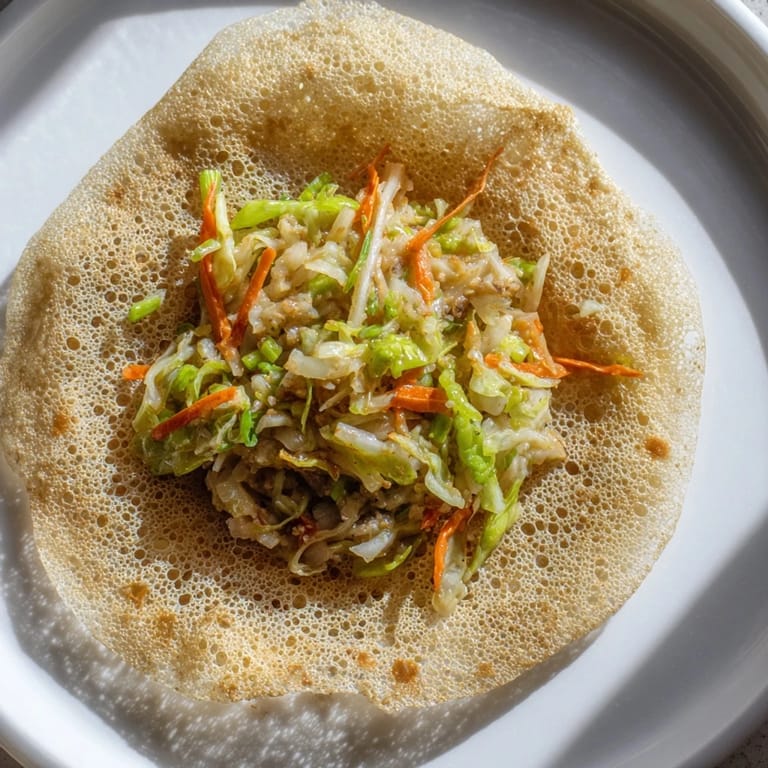
- Dip one sheet into the warm water for 5 to 10 seconds; you want it pliable but still holding its shape, not so soft it falls apart in your hands. This step is more feel than timing, so trust your instincts after the first two or three.
- Fill and roll:
- Lay the softened sheet on your damp towel, place 2 tablespoons of filling in the center, fold in the sides tightly, and roll it up like a burrito, keeping tension as you go so it doesn't unravel during frying. The tighter you roll, the better it will crisp.
- Repeat with intention:
- Work through all 12 sheets and filling, and if you're feeling ambitious, double-wrap any that seem delicate—the extra layer only adds to the crunch.
- Heat your pan:
- Pour 2 tablespoons of neutral oil into your nonstick skillet and warm it over medium heat until a tiny piece of rice paper sizzles immediately when it touches the surface.
- Fry with patience:
- Place the dumplings seam side down in the pan, leaving space between each so they can brown evenly without steaming each other. Cook for 2 to 3 minutes until the bottom is deep golden, then gently flip and cook the other side for another 2 to 3 minutes.
- Make your dipping sauce:
- While they're frying, whisk together soy sauce or tamari, rice vinegar, maple syrup or honey, and chili flakes if you want heat. Taste and adjust for your preference—some prefer it sweeter, others more vinegary.
- Serve immediately:
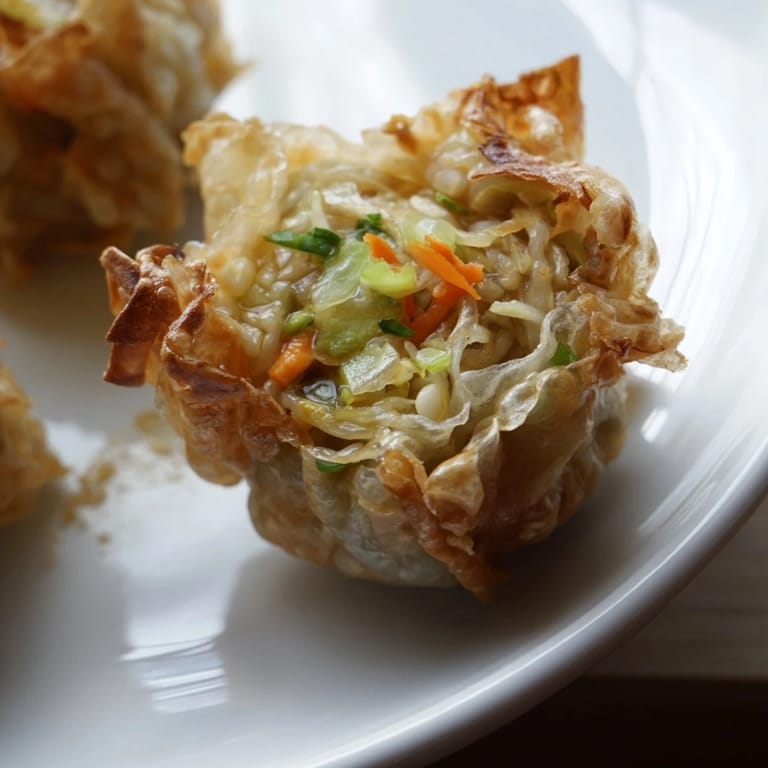
- Transfer the hot dumplings to a plate and serve right away while they're still shattering between your teeth. Waiting makes them chewy, and that's not what we came here for.
 Pin It
 What struck me most, making these repeatedly, was how meditative the rolling became. There's something soothing about the repetition, the way your hands learn the exact pressure needed, the moment when you realize you're not thinking about it anymore. It transformed a simple appetizer into a small ritual of presence.
When to Serve These
These dumplings are shameless crowd-pleasers, whether you're hosting a casual dinner, bringing something to a potluck, or just making them for yourself on a Wednesday when you need a little joy. They're elegant enough for guests but easy enough that you won't stress in the kitchen. The beauty is they work as a standalone snack, an appetizer before a larger meal, or even alongside rice as a lighter main course with some additional vegetables on the side.
Variations to Explore
Once you master the basic technique, the filling becomes your playground. I've added finely chopped tofu for extra protein, swapped in cooked shredded chicken for those who want it less plant-forward, and experimented with different mushrooms depending on what looked fresh at the market. Some friends add a touch of hoisin sauce to their filling for deeper sweetness, while others introduce red curry paste for warmth and complexity. The rice paper wrapper is flexible enough to handle whatever flavors you throw at it, so don't be afraid to riff.
The Science of the Crisp
There's real chemistry happening in that pan, and understanding it helps you nail the texture every time. The rice paper contains starches that gelatinize when they hit the heat, creating that delicate, shattered-glass crunch if you get the temperature right. Too low and they turn chewy; too high and they brown before they crisp. Medium heat is your sweet spot, and watching for that golden color is more reliable than any timer. The moisture inside the dumpling creates steam, which pushes outward and keeps the wrapper from sticking to itself while it crisps.
- If your dumplings come out chewy rather than crispy, your oil wasn't hot enough; give it another 30 seconds next time before laying them down.
- If they're browning too fast or unevenly, lower the heat slightly and give each side an extra 30 seconds to develop color more gently.
- Room temperature filling mixed with cooled rice paper and properly prepped workspace means you're halfway to success before the pan even gets hot.
 Pin It
 These crispy rice paper dumplings are proof that simplicity done thoughtfully beats complexity every time. Make them once, and you'll find yourself making them again and again.
Recipe FAQs
- → How do you keep the rice paper dumplings crispy?
Ensure the oil is hot enough before frying and avoid overcrowding the pan. Double wrapping with rice paper enhances crunchiness.
- → Can I prepare the filling in advance?
Yes, sauté the filling beforehand and allow it to cool before assembling to prevent soggy wrappers.
- → What are good dipping sauce options?
A simple blend of soy sauce, rice vinegar, maple syrup, and chili flakes creates a balanced sweet and tangy dip.
- → Is this dish gluten-free?
Using tamari instead of soy sauce makes the filling gluten-free. Always check rice paper labels to confirm.
- → Can I add protein to the filling?
Yes, finely chopped tofu or cooked chicken can be added to boost protein content without affecting texture.