 Pin It
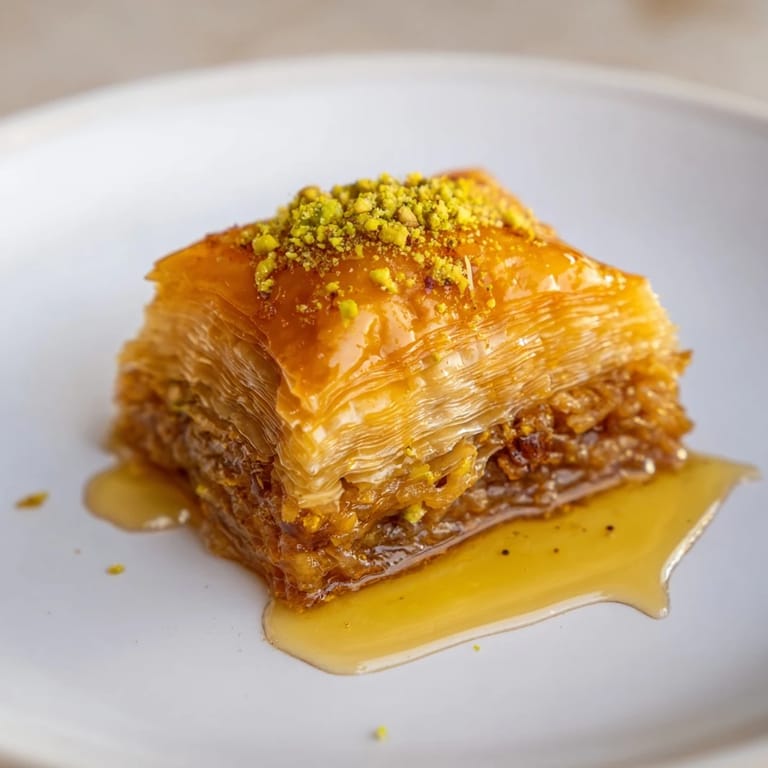
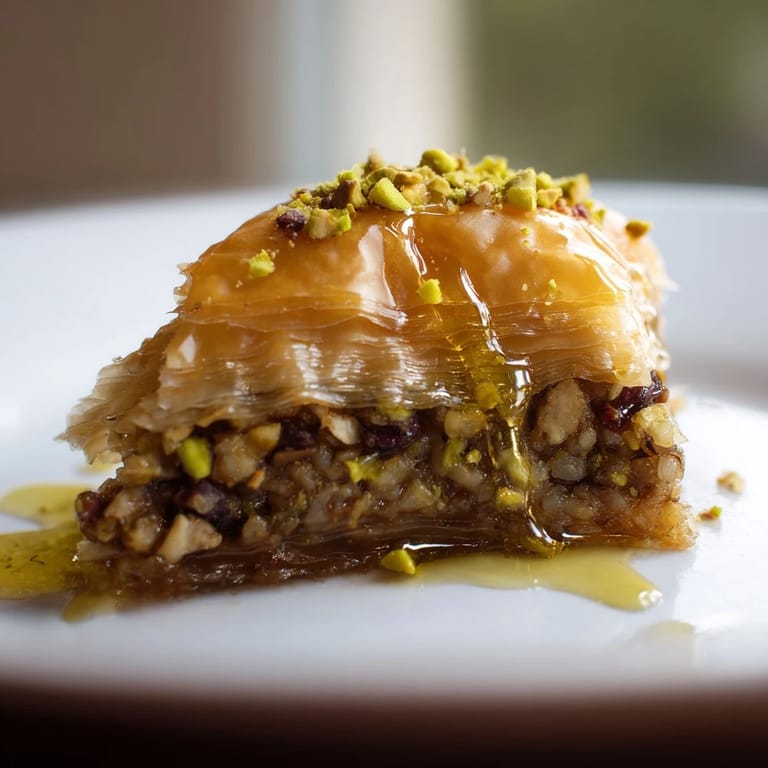
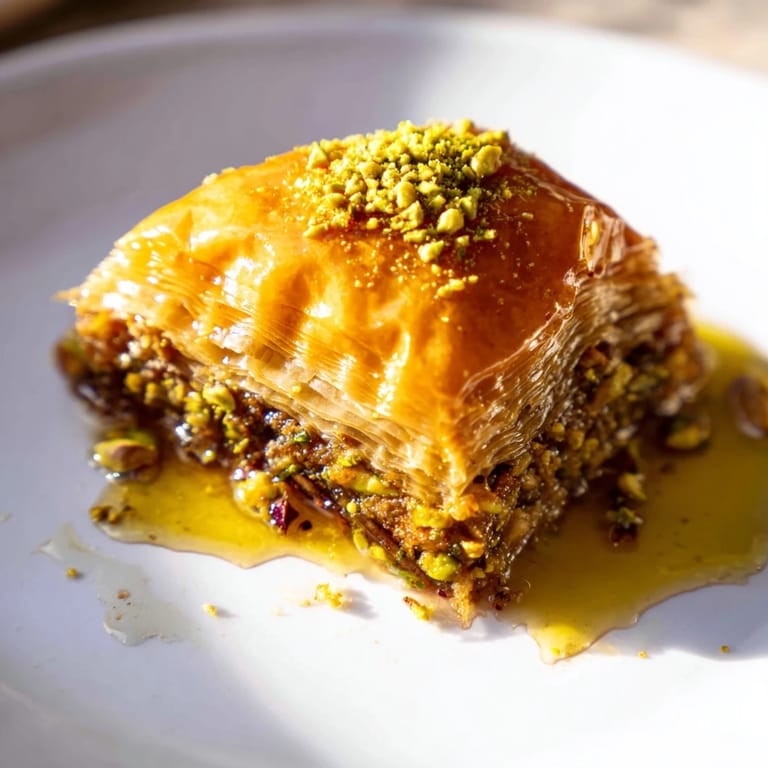
 My first bite of proper Turkish baklava happened on a crowded Istanbul street corner, where an elderly woman was selling them from a small glass case still warm from the oven. The phyllo shattered against my teeth, and honey dripped down my chin in the most undignified way. That moment taught me that baklava isn't meant to be delicate or perfect—it's meant to be surrendered to, enjoyed messily and completely. Years later, I finally understood why: when you layer phyllo with hazelnuts and pistachios, brush each sheet with butter, and let it bake until golden, something almost magical happens.
I made this for my friend Sofia's book club meeting on a rainy Thursday evening, and I remember standing in my kitchen at midnight the night before, worried I'd chosen something too ambitious. But watching everyone's faces light up when they bit into that first piece—when they realized the contrast between the crisp edges and the yielding center—I understood exactly why baklava has survived centuries of tradition. It's the kind of dessert that makes you look like a kitchen wizard, even though the process is surprisingly straightforward.
Ingredients
- Phyllo dough (16 sheets, thawed): The foundation of everything; phyllo is delicate but forgiving if you work with it gently, and thawing it slowly in the fridge prevents it from drying out or tearing.
- Unsalted butter (150 g, melted): This is where the richness and crispness come from, so don't skimp on quality—it should smell fragrant and taste clean.
- Hazelnuts (100 g, finely chopped): Toasting them lightly beforehand brings out their warmth, though raw works perfectly fine if you're short on time.
- Pistachios (100 g, finely chopped): The brighter color and subtly sweet flavor make these special; they're not just a supporting player here.
- Granulated sugar (100 g for filling, 100 g for syrup): The filling sugar stays subtle against the nut flavors, while the syrup sugar creates that glossy amber coating.
- Ground cinnamon (1 tsp, optional): If you add this, it whispers rather than shouts, creating warmth that ties the nuts together.
- Honey (150 ml): This is the soul of the syrup; use something you actually enjoy the taste of, because you'll taste it in every bite.
- Water (120 ml) and lemon juice (1 tsp): The water carries the sweetness throughout the pastry, while the lemon juice cuts through and keeps it from being one-dimensional.
Tired of Takeout? 🥡
Get 10 meals you can make faster than delivery arrives. Seriously.
One email. No spam. Unsubscribe anytime.
Instructions
- Prepare your stage:
- Preheat your oven to 180°C and brush that baking pan thoroughly with melted butter—not just a token swipe, but enough so the bottom layer of phyllo will drink it in and turn golden. You want your workspace clear and everything measured and ready, because phyllo moves fast and doesn't wait for hesitation.
- Build the foundation:
- Take the first sheet of phyllo and lay it in the pan, then brush it generously with butter. Repeat with three more sheets, brushing each one—this bottom layer is your anchor, and the butter is what transforms thin papery dough into crispy gold. The sheets might crack a little, and that's absolutely fine; they'll hold together once everything bakes.
- Mix your treasure:
- Combine the chopped hazelnuts and pistachios with the sugar and cinnamon in a bowl, stirring until the mixture is even. This is the heart of the baklava, and every spoonful should taste balanced between the two nuts, with the sugar and spice playing background support.
- First nut layer:
- Sprinkle one-third of your nut mixture evenly over the phyllo base, using your fingers to distribute it so some bites will be generous and others subtle—uneven is actually more delicious, believe it or not.
- Middle build:
- Layer four more phyllo sheets, brushing each with butter, then scatter another third of the nut mixture on top. You're creating a rhythm now, and your hands know what to do.
- Second nut layer and final top:
- Add the last of your nut mixture, then finish with the final four phyllo sheets, brushing each one including that very top layer. This crown of phyllo is what will catch the heat and turn into shattered gold.
- Cut with intention:
- Using a sharp knife, cut straight down through all the layers into diamonds or squares—about 16 pieces total. Some people do this before baking, some after; I prefer before because you get cleaner lines and the heat helps seal the cuts.
- Bake until shattered:
- Slide it into the oven for 35 to 40 minutes, watching until the top turns deep golden brown. The smell that fills your kitchen is almost worth the waiting alone—nutty, buttery, slightly caramelized at the edges.
- Build your syrup:
- While the baklava bakes, combine water, honey, sugar, and lemon juice in a saucepan, bring it to a boil, then lower the heat and let it simmer for 10 minutes. The syrup should be clear and slightly fragrant; the lemon keeps it from tasting flat.
- The crucial moment:
- The second the baklava comes out of the oven, pour that hot syrup over the hot pastry, moving the pan gently so it reaches into all the cuts and layers. This is where the magic happens—the hot syrup floods into the crevices and the phyllo drinks it all in, becoming tender and glossy.
- Cool with patience:
- Let everything come to room temperature; this patience is where the flavors settle and the syrup sets into every layer. Serving it warm is lovely, but room temperature lets you taste each element more clearly.
 Pin It
 I'll never forget the quiet moment after everyone left Sofia's house that night, when she hugged me goodbye and said, 'This is why I love having you around.' It wasn't really about the dessert itself, but about taking the time to do something right, to honor a tradition that's survived generations because it's actually delicious. That's when food becomes more than food.
Choosing Your Nuts
The choice between hazelnuts and pistachios isn't just practical—it's personal. Hazelnuts give you an earthy depth, almost chocolate-like when toasted, while pistachios bring brightness and a subtle sweetness. I love using both because together they create a complexity that single-nut baklava can't match. If you're allergic to one or the other, walnuts are a traditional stand-in, though they're more assertive and will change the flavor profile slightly. The ratio matters too; too many hazelnuts and you lose the pistachio's delicate character, too many pistachios and it becomes one-note. Here, at 50/50, they speak to each other.
The Phyllo Philosophy
Working with phyllo for the first time feels intimidating, but it's actually more forgiving than people claim. The sheets tear, yes, but they overlap and overlap again until you have this sturdy base. The butter is what matters most; it's not just a binder, it's the element that transforms the phyllo from papery to crispy to golden. I learned this by accident when I tried to economize with less butter and ended up with baklava that felt leathery instead of shattered. Now I understand: phyllo is delicate, but butter is democracy—it makes everything better.
Syrup Timing and Temperature
The moment you pull the baklava from the oven, the pastry is hot and open and hungry for syrup. This is the technical secret that transforms good baklava into great baklava. Cold syrup poured over a baking hot pastry creates a seal rather than a soak, leaving the middle layers dry and sad. Hot syrup poured into hot pastry flows through every cut and layer, creating that glossy, tender result that makes baklava worth making. Some people add the syrup at the end, and their baklava never reaches its potential. The timing is everything, and once you understand this one principle, every batch you make will be better.
- Start your syrup about 10 minutes before the baklava finishes baking so it's ready the moment it comes out.
- If your syrup cools before the baklava is ready, gently reheat it; cold syrup is the enemy of great baklava.
- Listen for the satisfying sizzle when the syrup hits the hot pastry—that sound means everything is working.
 Pin It
 Baklava is the kind of dessert that rewards care without demanding perfection, and that's something worth celebrating. Make this for someone, and they'll remember it.
Recipe FAQs
- → What type of nuts are used in this pastry?
Hazelnuts and pistachios are finely chopped and layered to create the rich nut filling.
- → How is the honey syrup prepared?
The syrup is made by boiling water, honey, sugar, and lemon juice, then simmering to a smooth consistency before pouring over the baked pastry.
- → What kind of dough is used for this dessert?
Thin, thawed phyllo sheets are brushed with melted butter and layered to form a crisp, flaky texture.
- → Can the nut filling be substituted?
Yes, walnuts can be used instead of hazelnuts if preferred, maintaining a similar texture and flavor.
- → How should the finished dessert be stored?
Store in an airtight container at room temperature for up to five days to preserve freshness and texture.
- → Is chilling necessary before slicing?
Chilling the pastry before cutting helps achieve cleaner slices and prevents crumbling.