 Pin It
 I first tasted this board at a tiny Istanbul neighborhood spot where the owner's grandmother had been assembling the same platter for decades. There was nothing fancy about it—just honest cheeses, olives that brined themselves into perfection, warm bread that steamed when you tore into it. I remember how the honey pooled slightly when she drizzled it, and how I kept reaching for olives I swore I didn't want because I couldn't stop.
A few years ago I made this for a group of friends on a Tuesday evening when nobody had much time. Someone brought wine, someone else brought a friend I'd never met, and within an hour we'd demolished the board and were laughing about how simple food sometimes does more than complicated cooking ever could. That night taught me that a good board isn't about perfection—it's about gathering people around something honest.
Ingredients
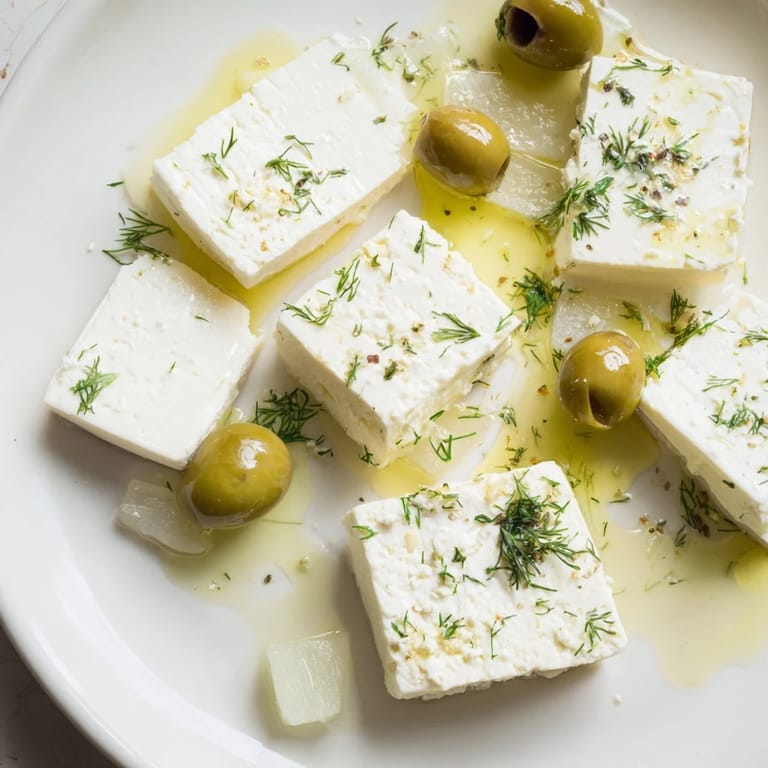
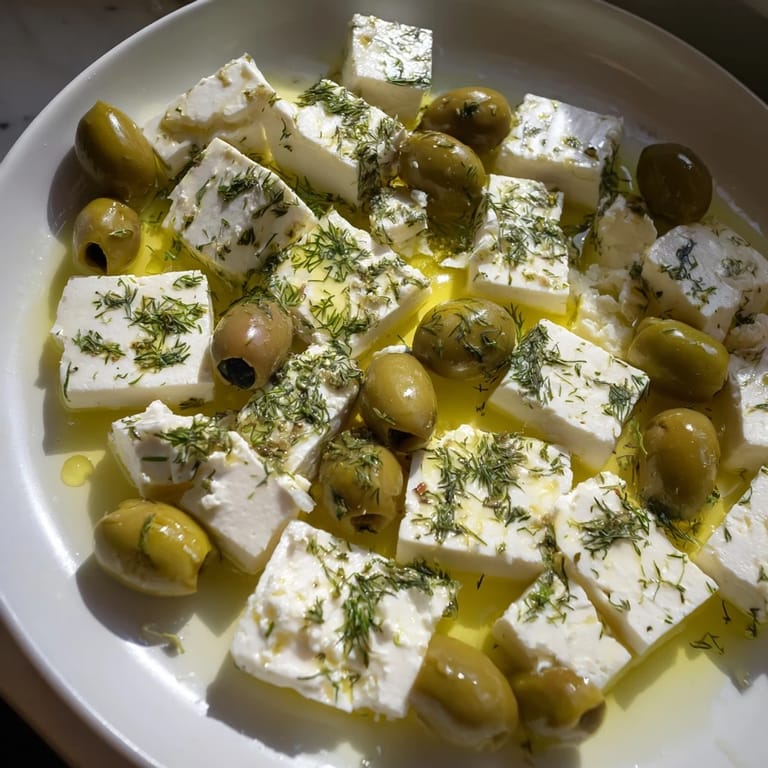
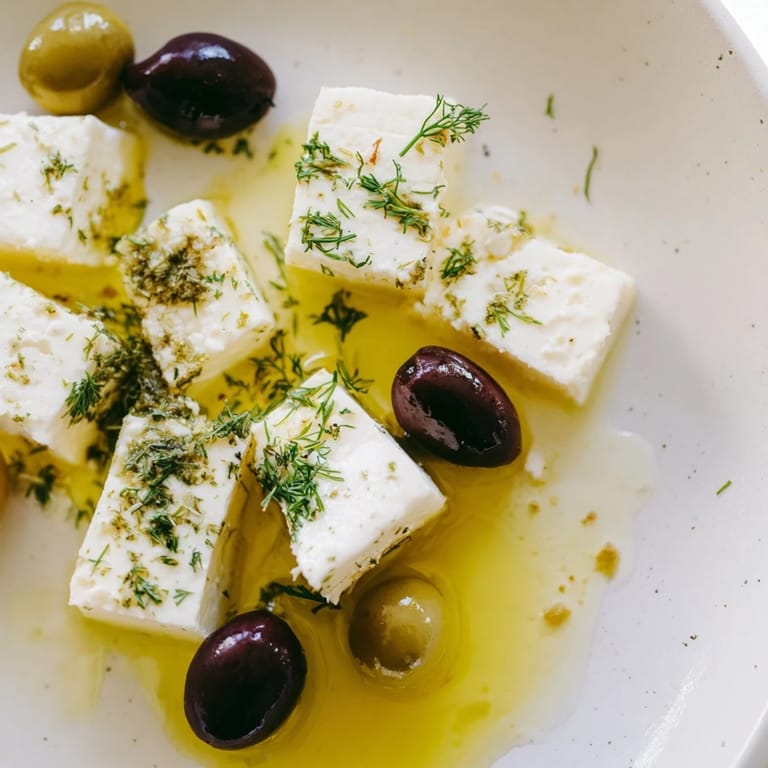
- Feta cheese (100 g), cubed: Use the good stuff if you can—the tanginess is what makes people notice. I learned this the hard way after trying to save money once.
- Beyaz peynir Turkish white cheese (100 g), sliced: This is milder and creamier than feta, and it's worth seeking out. If you can't find it, a young mozzarella works in a pinch, though it won't have quite the same character.
- Brined green olives (100 g): Look for ones packed in brine, not oil—they keep their snap that way. The ones I use come from a small producer and taste alive in a way that mass-market versions never quite capture.
- Brined black olives (100 g): These should be meaty and wrinkled, not rubbery. I've found that smaller, darker olives tend to have more flavor than the huge ones.
- Honey (4 tbsp): Use something you actually like to eat—this isn't the place to use the processed bottle. I use a local honey that's slightly floral, and people always ask what it is.
- Warm pita bread (2–3 pieces), cut into wedges: The warmth is essential; it makes the cheese slightly yielding and everything tastes better. Cold pita bread defeats the whole purpose.
- Fresh dill or parsley (1 tbsp), chopped: This is optional but changes everything—the brightness cuts through the richness in a way that feels almost necessary.
- Extra virgin olive oil (1 tbsp): A final drizzle brings everything together and adds a whisper of fruity richness.
- Crushed red pepper flakes (pinch): For those who want heat, though I keep it subtle so it doesn't overpower.
Tired of Takeout? 🥡
Get 10 meals you can make faster than delivery arrives. Seriously.
One email. No spam. Unsubscribe anytime.
Instructions
- Set the stage:
- Arrange your serving board or platter in front of you. I like to use something with character—wood is warmer than white ceramic. Cube the feta and slice the beyaz peynir, leaving them at room temperature for a few minutes so they're not cold and stiff when people eat them.
- Build the foundation:
- Place the cheeses on the board with some breathing room between them. This isn't about filling every gap—those empty spaces matter because they're where the eye lands and where people's hands naturally go.
- Add the olives:
- Put the green and black olives in small bowls, or scatter them directly around the cheeses if you want a more casual look. I prefer bowls because it keeps the olive brine from pooling on the board.
- Honey moment:
- Drizzle the honey into a small bowl alongside the board, or pour some directly over a small mound of cheese if you're feeling bold. The honey should look intentional, not accidental.
- Warm the bread:
- Wrap the pita in foil and warm it in a 350°F oven for about 5 minutes, or lay the pieces in a skillet over medium heat for 1–2 minutes per side until soft and steaming. Cut into wedges and add to the board while still warm.
- Final touches:
- Sprinkle the fresh herbs over everything, drizzle the olive oil in thin streaks, and add a light dusting of red pepper flakes if you want. Step back and look at it—it should feel abundant but not cluttered.
- Serve with intention:
- Bring the board to the table and encourage people to mix flavors as they explore. The magic happens when someone tears warm pita, dips it in honey, adds a briny olive, and finds that exact balance of sweet, salty, and savory.
 Pin It
 There's something about watching someone taste honey and feta together for the first time if they've never had it—their expression usually shifts from skeptical to completely convinced in about two seconds. That moment has happened more times than I can count, and it's why I keep making this board.
Why This Board Works
This isn't a board that needs you to be a skilled cook—it asks only that you respect your ingredients and assemble them with a little care. The genius is in the combination, not the technique. Turkish cuisine understands that some of the best food doesn't require heat or complicated steps, just honest flavors that know how to play together. That philosophy changed how I think about feeding people.
The Story Behind Turkish Cheese Boards
In Turkey, boards like this appear for breakfast, as an afternoon snack, or as the opening act to a larger meal. They're called meze, and they're designed to be shared and lingered over while you talk. The board isn't the destination—it's the permission to slow down. I think that's why people respond so well to this: it gives everyone an excuse to pause and actually taste things together instead of eating alone in a hurry.
Making It Your Own
The beauty of this board is how forgiving it is. You can add thin slices of cucumber or tomato if you want something cool and crisp. Toasted walnuts bring an earthiness that feels right. Some people add fresh pomegranate seeds if they're in season, and that tartness is spectacular against the honey. The core stays the same, but the board bends to what you have and what you love.
- If you can't find beyaz peynir, mild mozzarella or even a young gouda will work in its place.
- Taste the olives before you buy them—quality varies wildly, and you can often find better ones at markets with high turnover.
- Make this board an hour before guests arrive so you're not still arranging things when they walk in.
 Pin It
 This board has fed some of my favorite nights, and it asks so little in return. Make it when you want to gather people without stress, or when you want to remind yourself that sometimes the simplest food is exactly what everyone needed.
Recipe FAQs
- → What cheeses are used in this board?
This board features feta cheese cut into cubes and beyaz peynir sliced thinly, both offering creamy and tangy flavors.
- → How should the olives be prepared?
Use brined green and black olives, either placed in small bowls or scattered around the cheeses for easy access.
- → What is a suggested alternative if beyaz peynir isn't available?
Mild Greek feta or mozzarella can be used as suitable substitutes for beyaz peynir.
- → How is the pita bread served?
Warm the pita bread briefly in a skillet or oven, then cut into wedges before adding to the board.
- → What garnishes enhance this platter?
Fresh chopped dill or parsley, a drizzle of extra virgin olive oil, and a pinch of crushed red pepper flakes add aroma and subtle spice.
- → Are there any recommended pairings?
This platter pairs beautifully with crisp white wine or traditional Turkish tea for a balanced flavor experience.