 Pin It
 My roommate in Rome used to make this with whatever she had left at the end of the week. One Thursday night, she pulled out half a cabbage, a box of spaghetti, and some cheese, and I thought we were in for a sad dinner. Twenty minutes later, I was scraping my plate clean. The cabbage had turned golden and sweet, clinging to the pasta like it had always belonged there, and I realized that humble ingredients don't mean humble flavor.
I started making this for friends who claimed they didn't like cabbage. I never told them what was in it until after they'd finished, and every single time, they asked for the recipe. There's something about the way the butter and olive oil coat each strand of pasta, the way the garlic perfumes the whole dish without overpowering it. It became my secret weapon for proving that simple food, done right, is usually the best food.
Ingredients
- Spaghetti or linguine: Long pasta works best here because it tangles with the cabbage, but I've used penne in a pinch and it still turned out great.
- Green cabbage: Make sure to slice it thin so it caramelizes evenly and doesn't stay crunchy, I learned that the hard way my first attempt.
- Olive oil and butter: Using both gives you the fruity richness of olive oil and the creamy depth of butter, which is the real secret to making this taste restaurant quality.
- Garlic: Slice it thin so it softens into the cabbage instead of burning, and don't skip the step of cooking it gently.
- Crushed red pepper flakes: Optional but highly recommended if you like a little heat that sneaks up on you after the first bite.
- Parmesan cheese: Freshly grated is non negotiable here, the pre shredded stuff just won't melt into the pasta the same way.
- Pasta water: This starchy liquid is what turns everything into a silky sauce, so don't forget to save a cup before you drain.
- Lemon zest: A optional but it brightens the whole dish and cuts through the richness in the best way.
Tired of Takeout? 🥡
Get 10 meals you can make faster than delivery arrives. Seriously.
One email. No spam. Unsubscribe anytime.
Instructions
- Boil the pasta:
- Get your water boiling with enough salt that it tastes like the sea, then cook the pasta until it still has a little bite. Before you drain it, scoop out a mugful of that cloudy pasta water and set it aside.
- Caramelize the cabbage:
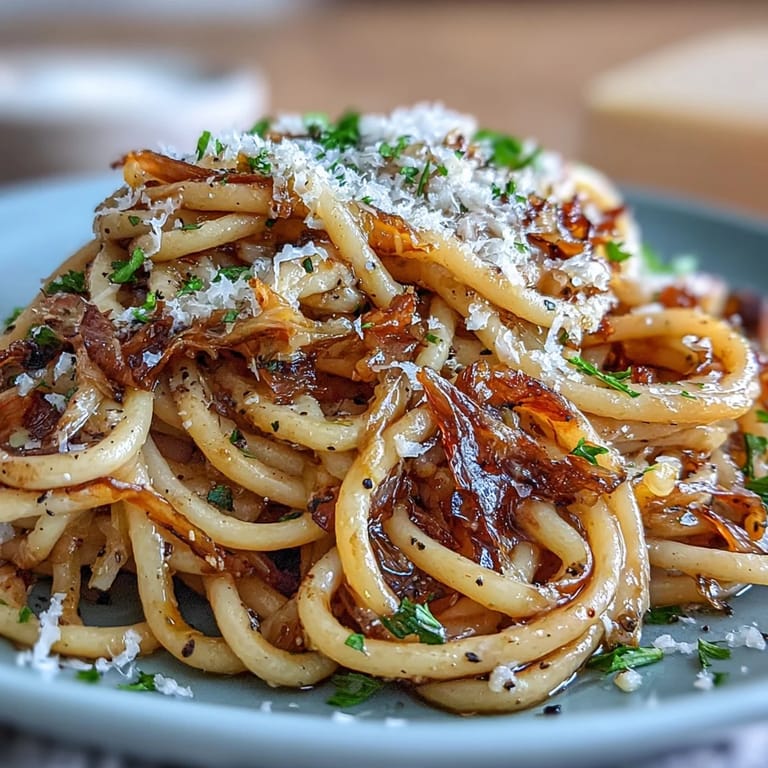
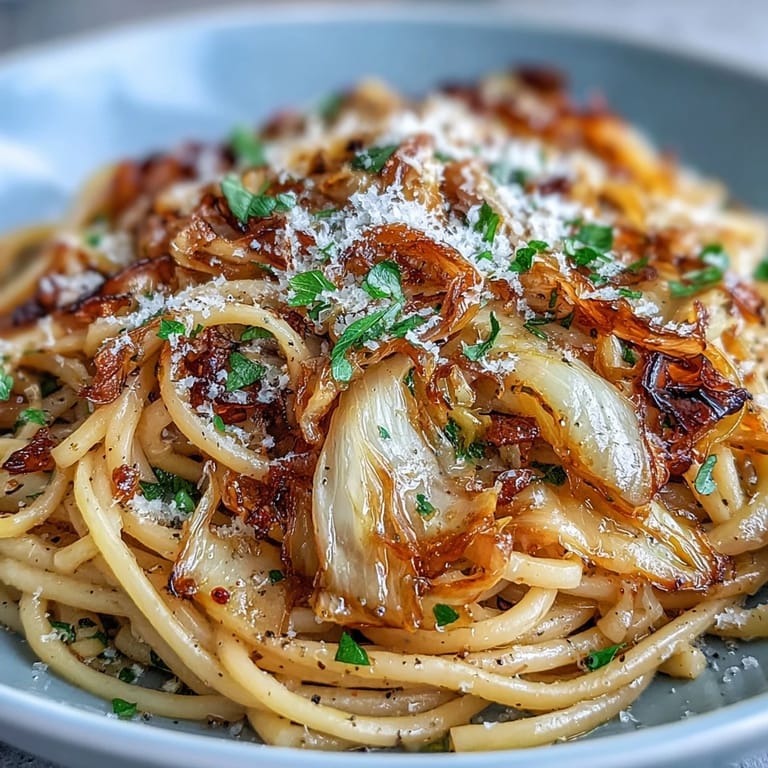
- Heat the olive oil and butter in your largest skillet over medium heat, then add the cabbage with a pinch of salt. Let it cook without stirring too much so it gets those golden brown edges, it should take about 12 to 15 minutes and your kitchen will start to smell amazing.
- Add the garlic:
- Toss in the sliced garlic and red pepper flakes, stirring constantly for a minute or two. You want the garlic to turn fragrant and just barely golden, not brown or bitter.
- Combine pasta and cabbage:
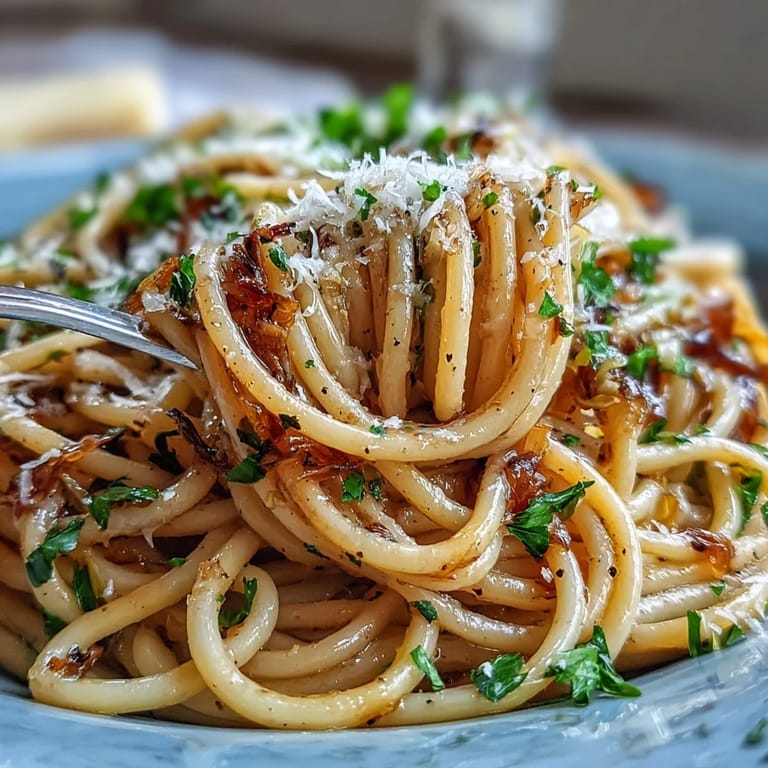
- Add the drained pasta right into the skillet with the cabbage and toss everything together with tongs. Splash in some of that reserved pasta water a little at a time until everything looks glossy and coated.
- Finish with cheese:
- Turn off the heat and stir in the Parmesan and black pepper, letting the residual heat melt the cheese into a creamy coating. Taste it and add more salt if needed, then serve it hot with extra cheese on top.
 Pin It
 The first time I brought this to a potluck, someone asked if it was a traditional Italian recipe from my family. I laughed and said it was more like a broke student recipe from my friend's tiny Roman kitchen. But that's the thing about food like this, it doesn't need a long history or fancy ingredients to feel like it means something. It just needs to be made with a little care and shared with people you want to feed.
How to Get the Best Caramelization
The key is patience and a hot enough pan. If you crowd the skillet or keep stirring, the cabbage will steam instead of brown. Let it sit in the oil and butter for a few minutes at a time, then give it a toss and let it sit again. Those dark golden edges are where all the sweetness lives, and they're worth the extra few minutes of standing at the stove.
Variations Worth Trying
I've made this with toasted breadcrumbs on top for crunch, and I've stirred in a handful of chopped walnuts when I wanted something heartier. Once I added a splash of white wine to the cabbage while it cooked, and it gave the whole dish a subtle brightness. You can also swap the Parmesan for Pecorino Romano if you want a sharper, saltier flavor that stands up to the sweetness of the cabbage.
Storage and Reheating
Leftovers keep well in the fridge for up to three days, and I actually think they taste even better the next day once the flavors have had time to settle into each other. Reheat gently in a skillet with a splash of water or broth to loosen things up, and add a little extra Parmesan and butter if it seems dry. I've even eaten this cold straight from the container standing at the counter, and it was still good.
- Store in an airtight container in the fridge.
- Reheat with a little pasta water or olive oil to bring back the silkiness.
- Don't microwave it on high or the pasta will turn rubbery.
 Pin It
 This is the kind of dinner that reminds me why I love cooking, it's fast, it's forgiving, and it turns something ordinary into something worth sitting down for. I hope it becomes one of those recipes you make without thinking, the kind you reach for on a weeknight when you want comfort without the fuss.
Recipe FAQs
- → Can I use a different type of pasta?
Yes, any long pasta like linguine, fettuccine, or bucatini works well. Short pasta like penne or rigatoni can also be used, though the traditional presentation uses long noodles that tangle nicely with the caramelized cabbage.
- → How do I know when the cabbage is properly caramelized?
The cabbage should turn golden brown at the edges and become tender and sweet, which takes about 12-15 minutes over medium heat. Stir occasionally to ensure even cooking and prevent burning while allowing some pieces to develop deeper color.
- → Can I make this dish ahead of time?
This dish is best served immediately for optimal texture. However, you can prep the cabbage and garlic in advance. Store cooked pasta separately and combine everything just before serving, adding pasta water to refresh.
- → What can I substitute for Parmesan cheese?
Pecorino Romano offers a sharper, saltier flavor and is a traditional Italian alternative. For dairy-free versions, nutritional yeast or vegan Parmesan alternatives work, though the flavor profile will differ from the authentic version.
- → How can I add more protein to this dish?
White beans, chickpeas, or crispy tofu maintain the vegetarian profile. For non-vegetarian options, add cooked Italian sausage, pancetta, or grilled chicken. Stir in during the final tossing step.
- → Why is my pasta too dry?
Reserved pasta water is essential for creating a cohesive sauce. Add it gradually while tossing to achieve the desired consistency. The starchy water helps the Parmesan cling to the pasta and cabbage, creating a silky coating.