 Pin It
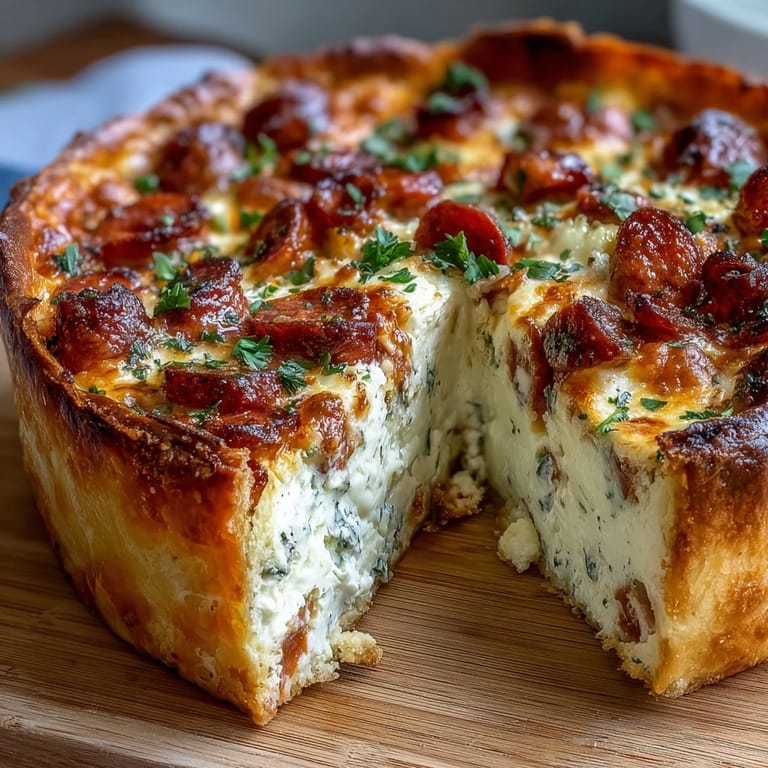
 My nonna used to make this pie every Easter morning, and the smell of it baking would drift through the entire house before anyone had even finished their coffee. Years later, I decided to recreate it from memory and a hastily scribbled note she'd left in her recipe book, and somehow it turned out better than I expected. There's something almost magical about how the creamy ricotta filling stays tender while the pastry turns golden, and how each slice reveals those pockets of salty salami throughout. This isn't just a dish for holidays, though it certainly shines on them. It's become my answer to the question, "What should I bring?"
The first time I made this for friends at a spring gathering, I was genuinely nervous about the lattice pattern because it looked so intricate in pictures. One strip broke as I was weaving it, and instead of starting over, I just pressed it back together and kept going. When the pie came out of the oven, no one could tell, and it tasted absolutely perfect. That's when I realized this recipe rewards confidence more than perfection.
Ingredients
- All-purpose flour: The foundation of a tender, flaky crust that won't shatter when you cut into it; make sure it's weighed for accuracy, as volume measurements can vary.
- Cold unsalted butter: This is non-negotiable for a pastry that shatters beautifully; if your butter is even slightly soft, chill everything for an extra 10 minutes.
- Whole-milk ricotta cheese: Drain it well the night before or it will make your filling watery and loose; a fine-mesh strainer lined with cheesecloth works wonders.
- Heavy cream: It adds richness and keeps the filling creamy as it bakes, preventing that dense, rubbery texture some savory custards develop.
- Parmigiano-Reggiano cheese: The aged, nutty flavor is essential; pre-grated versions often contain anti-caking agents that make the filling grainy, so grate it fresh if you can.
- Italian salami: Choose a good quality one you'd eat on its own; the better the salami, the better the pie.
- Fresh mozzarella or low-moisture mozzarella: Fresh mozzarella can release too much water, so opt for low-moisture if you have the choice.
- Nutmeg: Just a whisper of it rounds out the flavors without announcing itself; grate it fresh over the filling rather than measuring from a shaker.
Tired of Takeout? 🥡
Get 10 meals you can make faster than delivery arrives. Seriously.
One email. No spam. Unsubscribe anytime.
Instructions
- Make the pastry dough:
- Whisk together flour and salt, then work the cold butter in with your fingertips until the mixture looks like breadcrumbs with some pea-sized pieces of butter still visible. Add eggs and just enough cold water to bring it together, then knead it gently on the counter for a minute until it's cohesive.
- Chill and rest:
- Wrap the dough in plastic and let it sit in the fridge for 20 minutes; this is the difference between a dough that tears and one that rolls smoothly. Trust this step.
- Line your pan:
- Roll out about two-thirds of the dough and fit it into your greased pan, letting the excess hang over the edges. This overhang gives you something to seal to later and ensures no cracks appear as it bakes.
- Prepare the filling:
- Combine drained ricotta, eggs, heavy cream, both cheeses, parsley, salt, pepper, and nutmeg in a large bowl, stirring until everything is evenly mixed. Fold in the diced salami gently so it distributes throughout rather than sinking to the bottom.
- Fill the crust:
- Pour the filling into the pastry-lined pan and smooth the top with a spatula. Take a moment to admire how full it is without being overstuffed.
- Create the lattice top:
- Roll out the remaining pastry to about 1/4 inch thick and cut it into long strips about 1 inch wide. Arrange half the strips in one direction, then weave the others through at an angle to create that classic diamond pattern.
- Seal and egg wash:
- Fold the overhanging bottom crust up and over the lattice edges, pressing gently to seal, then brush everything with beaten egg for that gorgeous golden finish. This little step makes all the difference in appearance.
- Bake until golden:
- Place it in a preheated 375°F oven for 55 to 60 minutes, watching around the 40-minute mark and tenting the edges loosely with foil if they're browning too quickly. The pie is done when the top is deep golden, the filling doesn't jiggle when you gently shake the pan, and your kitchen smells absolutely incredible.
- Cool properly:
- Let it rest for at least 30 minutes before slicing; this lets the filling set so you get clean slices instead of a creamy puddle. Patience here is genuinely rewarded.
 Pin It
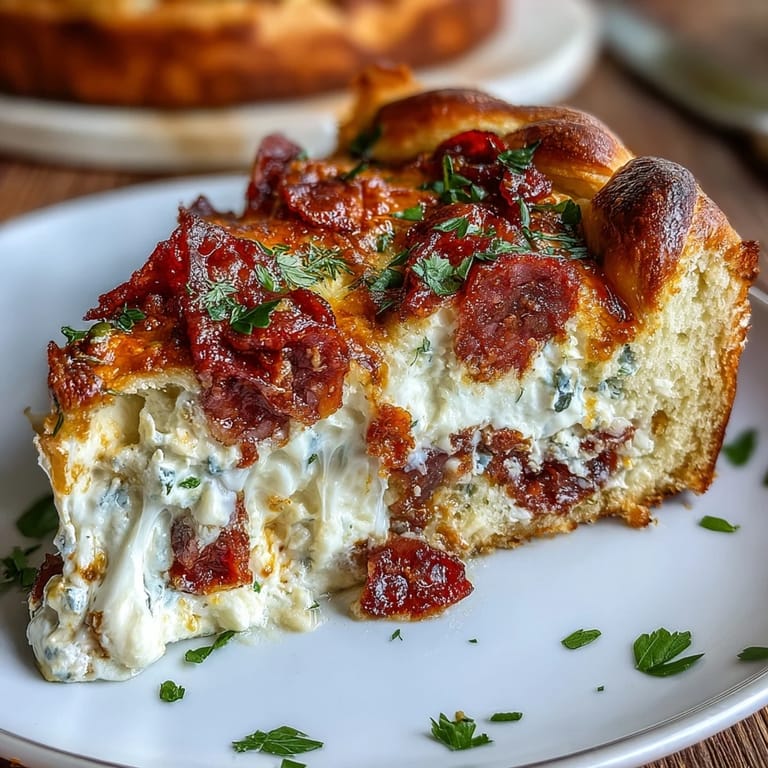
 There's a moment about halfway through baking when the aroma hits you so suddenly that you actually stop whatever you're doing just to breathe it in. That's when you know this pie is going to be exactly what you hoped for. By the time it emerges from the oven, golden and perfectly set, you'll understand why people have been making this same dish for generations.
Why This Pie Feels Special
There's something about savory pies that feels more special than regular casseroles or baked pastas, maybe because they require actual pastry skills and a little planning. What made this one stick in my kitchen was realizing that it's forgiving enough for a weeknight dinner but elegant enough for a holiday table. The combination of textures—flaky crust, creamy filling, chewy bits of salami—makes every bite interesting in a way that simple recipes rarely achieve.
Making It Your Own
Once you've made this pie once, you'll start seeing ways to adapt it based on what you have on hand or what you're craving that week. I've made it with prosciutto instead of salami on quieter Sundays, and once I added sautéed spinach and artichokes when I was cooking for vegetarian friends and it was genuinely delicious. The structure of the pie is sturdy enough to handle variations without falling apart, which is one of its best qualities.
Storage and Leftovers
This pie keeps beautifully for several days in the refrigerator, and it's honestly just as good cold or reheated gently as it is fresh. You can even slice it and reheat individual pieces in a warm oven for a few minutes if you want that just-baked feeling. I've found that having leftover slices available makes me feel secretly prepared, like I've outsmarted my own hunger.
- Serve it warm from the oven, at room temperature later that day, or even chilled straight from the fridge depending on your mood.
- Wrapped well, it keeps for up to 4 days, though I've never seen it last that long when other people know about it.
- You can bake it a day ahead and reheat it gently, which actually makes this perfect for entertaining when you want to minimize last-minute stress.
 Pin It
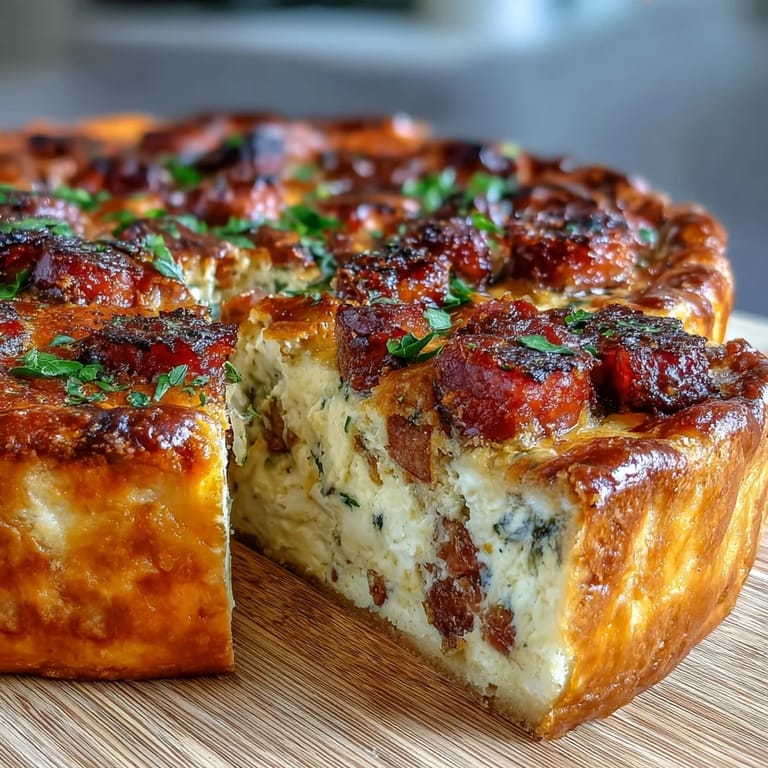
 This Easter pie became something I make not just for holidays but whenever I want to feel like I've done something a little special in the kitchen. There's no magic to it, just good ingredients and patience.
Recipe FAQs
- → What type of cheese is used in the filling?
The filling features whole-milk ricotta, Parmigiano-Reggiano, and shredded mozzarella cheese for a creamy, savory texture.
- → How is the pastry dough prepared?
The dough is made with flour, cold butter, salt, eggs, and cold water, mixed until crumbly, then chilled before rolling out.
- → Can I substitute the salami with another ingredient?
Yes, prosciutto or cooked ham can replace salami. For a vegetarian option, omit the meat and add sautéed spinach or artichokes.
- → What is the baking time and temperature?
Bake the pie at 375°F (190°C) for 55–60 minutes until the crust is golden and the filling is set.
- → How should the pie be served and stored?
Serve warm or at room temperature. Leftovers should be refrigerated and reheat well the next day.
- → Is the pie suitable for gluten-free diets?
This pie contains wheat flour and is not suitable for gluten-free diets unless the pastry is made with a gluten-free alternative.