 Pin It
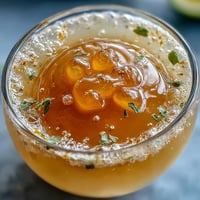
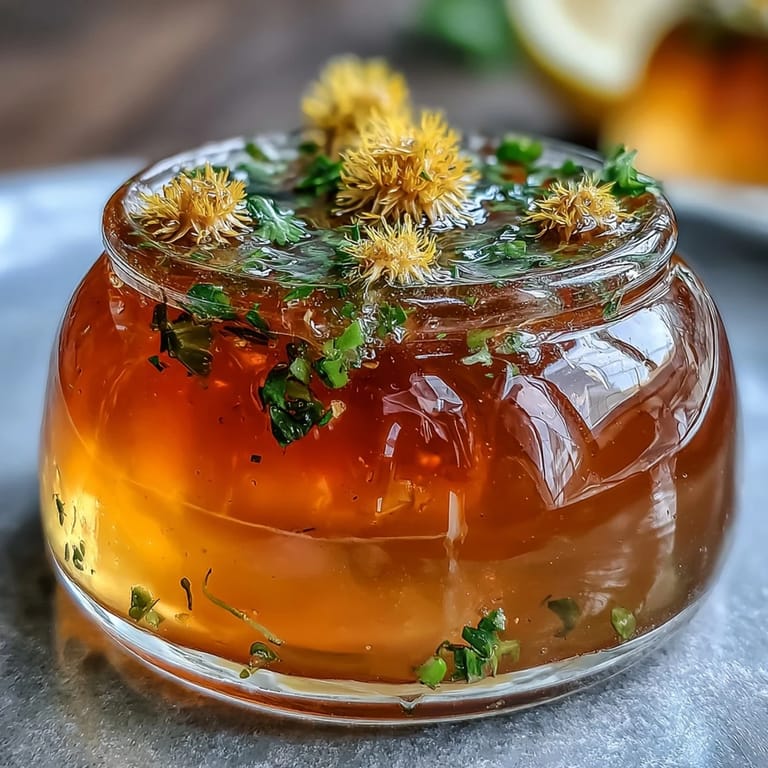
 The first time I made dandelion jelly, it was early spring and the lawn was awash in sunny yellow blooms. I remember the earthy aroma as I carefully plucked the petals, feeling oddly meditative after a hectic week. There was a gentle hum of bees navigating the clover, giving me the sense this jelly would capture more than flavor—it would preserve a fleeting moment of calm. As the petals steeped overnight, their subtle florals mingled with lemon and honey for a scent that filled the kitchen. The anticipation was half the joy, waiting until morning to see how the jelly would set.
I once made this jelly for my neighbor after she helped weed the garden, and her surprised delight made me realize how gifting homemade preserves can brighten an ordinary day. We ended up chatting over toast and tea, the golden jelly glistening between bites, laughing at how foraging can make anyone feel rebellious and resourceful. That day, the dandelion jelly became more than a condiment—it was a reason to linger and share stories. Its cheerful color always reminds me of small, unexpected gestures. Even now, it feels like the sincerest form of spring in a jar.
Ingredients
- Fresh dandelion petals: Only the yellow parts are used to avoid bitterness—take time to remove all green pieces for a mild, floral result.
- Water: Ensures a gentle extraction of flavor; filtered water gives the clearest infusion.
- Fresh lemon juice: Balances sweetness and makes the jelly sparkle, squeeze just before using for best punch.
- Granulated sugar: Essential for setting and sweetness; I found it’s best to measure precisely to avoid runny results.
- Mild honey: Adds depth and a delicate floral aroma, but don’t use a strongly flavored one or it’ll overpower the dandelion.
- Fruit pectin: Crucial for achieving the perfect jelly texture; always check your packet for instructions as pectin varies.
Tired of Takeout? 🥡
Get 10 meals you can make faster than delivery arrives. Seriously.
One email. No spam. Unsubscribe anytime.
Instructions
- Gather and prep petals:
- Pick bright, fully open dandelion flowers, then pinch away the yellow petals, careful to leave behind any green bits. It’s oddly satisfying and fills the air with a faint grassy scent.
- Simmer for infusion:
- In a large saucepan, combine petals and water, bring to a boil, then reduce heat and simmer for 10 minutes while stirring. The petals float and swirl, releasing their golden tones.
- Steep for maximum flavor:
- Remove from heat and cover, letting the mixture steep overnight or at least 6 hours. The infusion deepens in color, and the kitchen takes on a softly sweet aroma.
- Strain and measure:
- Pour the infusion through a fine mesh sieve or cheesecloth, pressing with a spoon to get every drop. Discard the petals and measure out exactly 3 cups—add water if needed.
- Add lemon and pectin:
- Return the dandelion infusion to a clean pan, then stir in lemon juice and pectin. Bring to a rolling boil over high heat, stirring constantly for an even blend.
- Add sugar and honey:
- Stir in the sugar and honey briskly, then boil hard for 1–2 minutes, stirring nonstop. The jelly should start to thicken, and the steam is wonderfully fragrant.
- Check for set and finish:
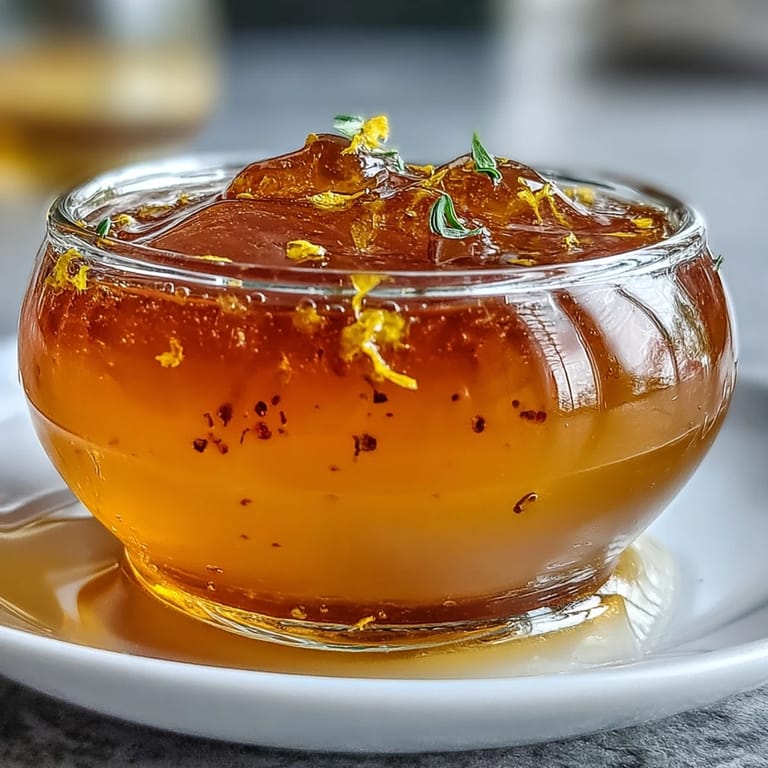
- Remove from heat and skim off any foam. Test the jelly by placing a spoonful on a cold plate and gently pushing it—if it wrinkles, it’s ready to jar.
- Jar and process:
- Ladle jelly into sterilized jars, leaving 1/4-inch headspace, wipe rims, seal, then process in a boiling water bath for 5 minutes. Let the jars cool undisturbed before checking seals.
 Pin It
 The afternoon I brought this jelly to a picnic, my friend’s kids immediately asked how something so yellow could taste so gentle. Sharing that first spoonful made me realize food can open conversations about nature and curiosity, not just flavor. Since then, every batch reminds me of those wide-eyed questions and laughter under the trees. Sometimes, a simple jar of jelly changes the way you see your backyard. It’s become a spring ritual I look forward to every year.
A Forager's Quick Guide
Foraging dandelions is a surprisingly social experience—whether you’re out with family or chatting with neighbors, conversations bloom as easily as the flowers. Make sure to pick only from untreated lawns and parks, because a safe harvest makes all the difference for your jelly. I’ve found early morning picking yields the freshest petals, dew still clinging, and the flowers haven’t closed up yet.
Storing and Serving Ideas
Once your jars are sealed, store them in a cool, dark cupboard where the golden hue stays vibrant all season. This jelly pairs beautifully with soft goat cheese, makes toast feel luxurious, and even works as a sweet-glaze for roast chicken. Every time you open a jar, the gentle aroma is like a breath of fresh spring.
Troubleshooting & Last Thoughts
If your jelly doesn’t set, boil it again for a minute and retest—every batch has its quirks, but patience pays off. Sometimes a touch more pectin is needed, especially if petals are damp. Don’t worry about a little foam, just skim before jarring and the jelly stays clear and golden.
- Make sure jars are fully cooled before checking the seal.
- If it’s too sweet, stir in extra lemon juice during reheating.
- The color fades in sunlight—store jars away from windows.
 Pin It
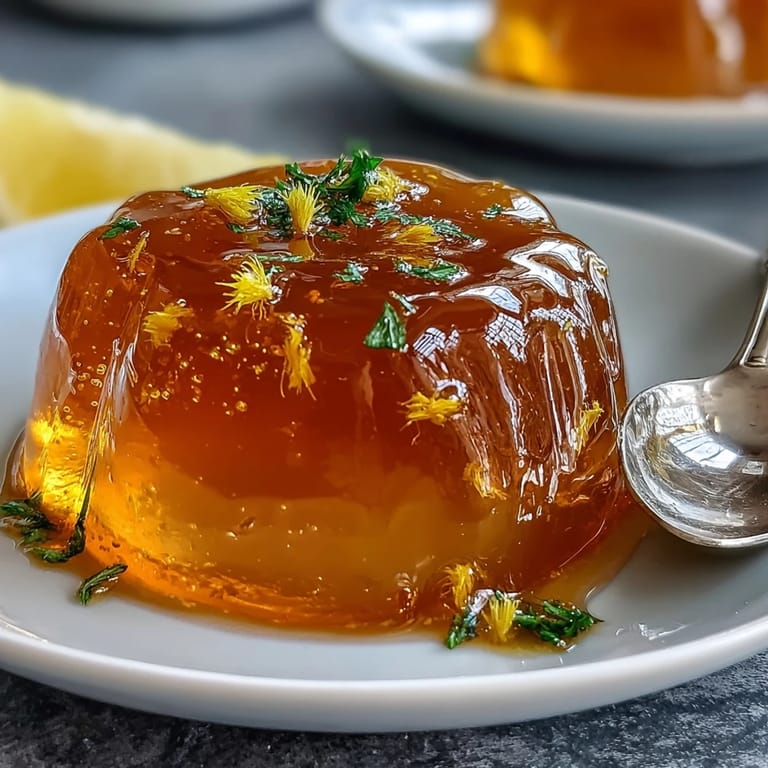
 Every batch of dandelion jelly seems to reflect the season—sunshine in a jar, ready for sharing. May your spring mornings be just a bit brighter with a spoonful.
Recipe FAQs
- → How do I prepare dandelion petals?
Pick only the yellow petals, removing green sepals and stems to avoid any bitterness.
- → Can I make this without honey?
Yes, substitute honey with extra sugar or agave syrup for a vegan-friendly version.
- → How do I know when the jelly is set?
Test by placing a spoonful on a cold plate; if it wrinkles when pushed, it's ready to jar.
- → What equipment do I need?
Use a large saucepan, mesh sieve, sterilized jars, ladle, and a water bath canner for safe processing.
- → Where should I harvest dandelions?
Only gather blossoms from pesticide-free, untreated areas to ensure safety and quality.
- → How long does jelly last?
Properly sealed jelly can be stored in a cool, dark place for up to a year.