 Pin It
 My blender was still warm when I tasted the sauce straight from the pitcher, and I couldn't believe cauliflower could do that. It was silky, rich, and tasted like I'd spent an hour whisking cream and cheese over a double boiler. I'd roasted the florets mostly out of guilt, trying to use up the head of cauliflower that had been sitting in my crisper for days. What came out was this golden, caramelized pile that smelled like butter and promise, and when I blended it with garlic and Parmesan, I knew I'd stumbled onto something I'd make again and again.
I made this for my sister on a Tuesday night when she was convinced she didn't like cauliflower. She asked for seconds before I told her what was in the sauce, and when I finally confessed, she just shrugged and said it didn't count if it tasted that good. We sat at my tiny kitchen table with mismatched bowls, twirling fettuccine and talking until the pasta went cold. That night it became my go-to for skeptics and picky eaters, the dish I pull out when I want to prove vegetables can win.
Ingredients
- Cauliflower: Roasting transforms it from bland to sweet and nutty, the key to making this sauce taste rich instead of virtuous.
- Garlic: Roast it whole with the cauliflower so it turns soft, mellow, and almost buttery instead of sharp.
- Whole Milk: This gives the sauce body and creaminess, though you can swap in unsweetened almond or oat milk if you need to.
- Parmesan Cheese: Use the real stuff, freshly grated, because it melts into the sauce and adds that salty, umami backbone.
- Unsalted Butter: A little goes on the vegetables before roasting, the rest goes into the blender for silkiness.
- Fettuccine or Pasta of Choice: Fettuccine is classic, but rigatoni or penne work great for catching all that creamy sauce.
- Nutmeg: Just a pinch warms the sauce and makes it taste like something your grandmother would have made.
- Salt and Black Pepper: Essential for balancing the sweetness of the roasted cauliflower and bringing everything into focus.
- Fresh Parsley and Extra Parmesan: Optional, but they make the plate look like it came from a restaurant instead of a Tuesday night scramble.
Tired of Takeout? 🥡
Get 10 meals you can make faster than delivery arrives. Seriously.
One email. No spam. Unsubscribe anytime.
Instructions
- Get the Oven Ready:
- Preheat your oven to 425 degrees and line a baking sheet with parchment paper so nothing sticks. This high heat is what gives the cauliflower those crispy, caramelized edges.
- Prep and Roast the Vegetables:
- Toss the cauliflower florets and whole garlic cloves with a tablespoon of butter, then spread them out in a single layer on the baking sheet. Roast for 25 to 30 minutes, stirring halfway through, until the cauliflower is golden brown and fork-tender.
- Cook the Pasta:
- While the vegetables roast, bring a large pot of well-salted water to a boil and cook your pasta according to the package directions. Before draining, scoop out a cup of that starchy pasta water and set it aside.
- Blend the Sauce:
- Add the roasted cauliflower, garlic, remaining butter, milk, Parmesan, nutmeg, salt, and pepper to a blender. Blend on high until the sauce is completely smooth and creamy, adding splashes of reserved pasta water if it's too thick.
- Combine and Heat:
- Pour the sauce into a large skillet over medium heat and let it warm until it just starts to simmer. Toss in the drained pasta and stir until every strand is coated in that velvety sauce.
- Serve and Garnish:
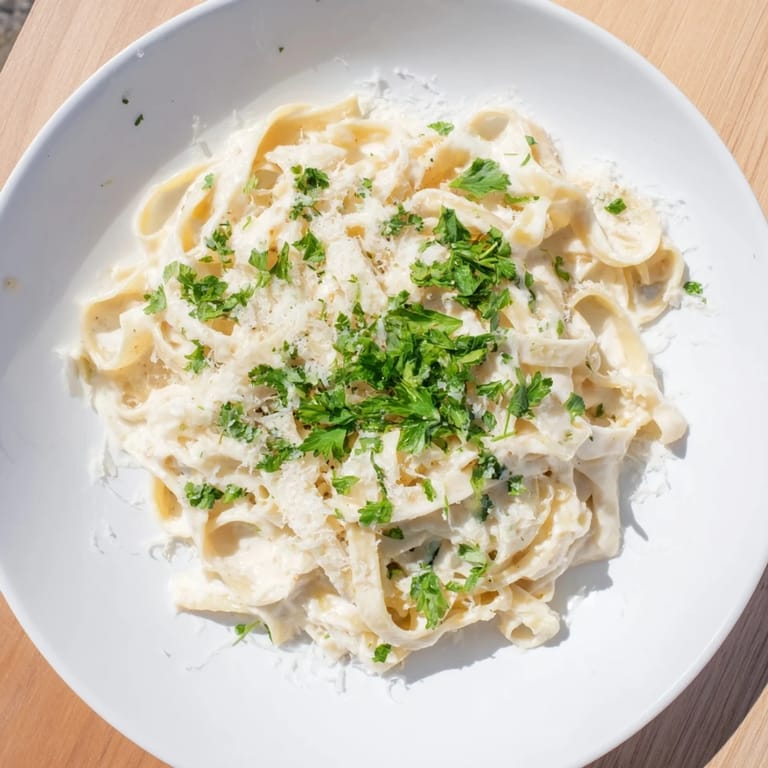
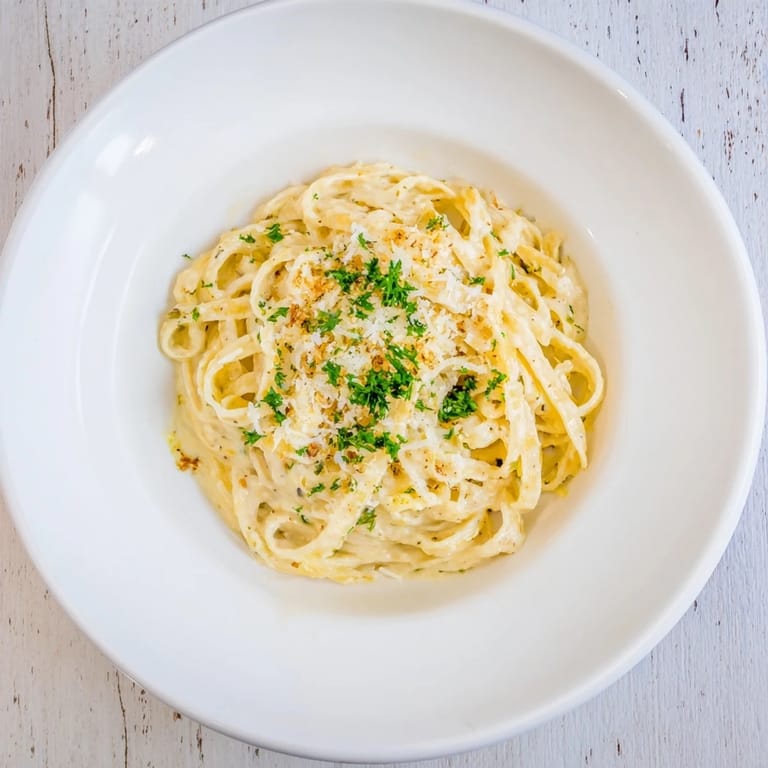
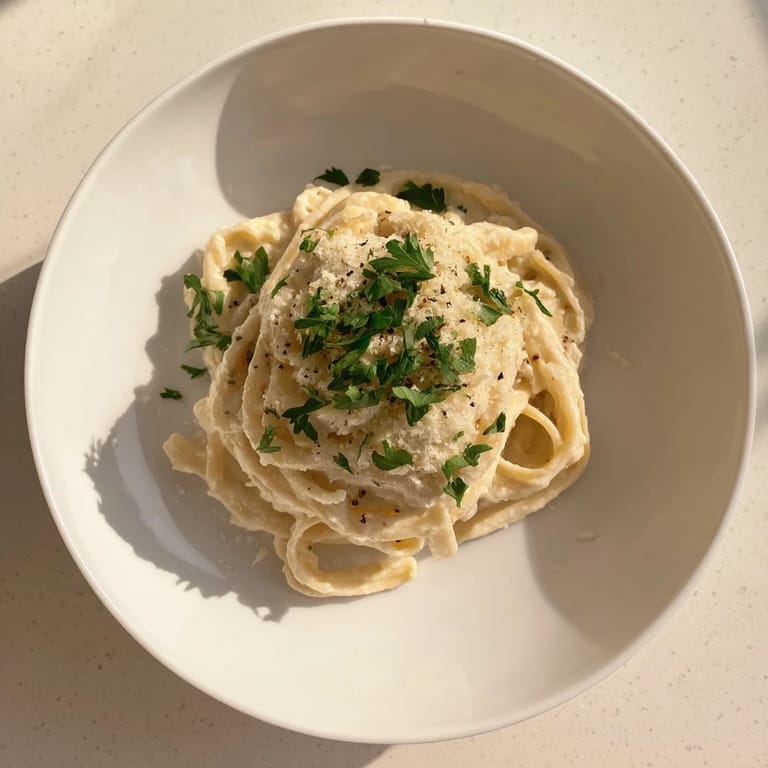
- Plate the pasta immediately while it's hot, and finish with a sprinkle of fresh parsley and extra Parmesan if you're feeling generous. Serve it with a little black pepper on top for contrast.
 Pin It
 One evening I served this to a friend who was trying to eat lighter but missed comfort food desperately. She closed her eyes after the first bite and said it felt like a hug in a bowl. We didn't talk much after that, just ate and listened to the rain outside, and I realized that's what this dish does best: it comforts without weighing you down, and it makes you feel cared for without any fuss.
What to Do with Leftovers
This sauce thickens up in the fridge, but it comes back to life beautifully with a splash of milk or pasta water in a skillet over low heat. I've eaten it cold straight from the container for breakfast more times than I'll admit, and it's also fantastic baked into a casserole with a little mozzarella on top. Leftovers last about three days covered in the fridge, and they reheat better than almost any cream sauce I've ever made.
How to Make It Your Own
I've added a squeeze of lemon juice to the sauce when I want brightness, and I've stirred in sautéed mushrooms or spinach when I need more vegetables on the plate. Sometimes I toast pine nuts in butter and scatter them on top for crunch, or I'll toss in cooked chicken or shrimp if I'm feeding someone who needs protein. The base is forgiving, and it takes on whatever mood you're in without falling apart.
Serving Suggestions and Pairings
I almost always serve this with a simple arugula salad dressed in lemon and olive oil, something peppery to cut through the richness. Garlic bread is never a bad idea, and a glass of crisp white wine or sparkling water with lemon feels right alongside it. If I'm making it for a crowd, I'll double the sauce and serve it family-style in a big wide bowl with extra Parmesan and a grater on the table.
- Pair it with a bright, acidic salad to balance the creamy sauce.
- Serve with crusty bread for soaking up every last bit from the bowl.
- Pour a chilled white wine or keep it simple with sparkling water and citrus.
 Pin It
 This recipe taught me that comfort food doesn't have to be heavy, and that sometimes the best meals come from using up what you already have. I hope it becomes one of those dishes you turn to on busy nights when you want something that feels special without the stress.
Recipe FAQs
- → Can I make this sauce ahead of time?
Yes, you can prepare the blended sauce up to 2 days in advance and store it in an airtight container in the refrigerator. Gently reheat in a skillet over medium heat, adding a splash of pasta water if needed to reach your desired consistency.
- → What pasta shapes work best?
Fettuccine is traditional, but any pasta that holds sauce well works beautifully. Pappardelle, linguine, or penne are excellent choices. The creamy sauce clings wonderfully to ribbon and tube pastas.
- → How do I get the sauce to the right thickness?
The reserved pasta water is your secret weapon. Add it gradually while blending to reach your preferred consistency. Start with less and add more as needed, keeping in mind the sauce will thicken slightly as it cools.
- → Can I add vegetables to this dish?
Absolutely. Sautéed mushrooms, spinach, sun-dried tomatoes, or roasted broccoli pair beautifully. Toss them in after combining the sauce with pasta for added nutrition and flavor.
- → Is this suitable for dairy-free diets?
Yes. Use unsweetened plant-based milk, dairy-free butter, and nutritional yeast or cashew-based Parmesan alternative. The roasted cauliflower still creates a rich, satisfying sauce that works wonderfully with these substitutions.
- → Why is my sauce grainy?
Overheating can cause Parmesan to become grainy. Keep the skillet on medium heat and avoid boiling. If graininess occurs, blend in a splash of cold milk to smooth it out.