 Pin It
 I stumbled upon this recipe during a particularly restless Tuesday evening, scrolling through photos of street markets in Istanbul, Bangkok, and Athens all at once. Something clicked—why choose one cuisine when I could celebrate them all on a single plate? I grabbed whatever vegetables were lingering in my crisper drawer and started chopping with a strange sense of purpose, as if my kitchen had suddenly become a crossroads of the world. The result was messy, improvised, and absolutely magical. Now whenever I make it, I'm transported back to that night of wandering through cultures without leaving my stovetop.
The first time I served this to my partner, they kept pausing between bites with this confused, delighted expression on their face. They'd take a forkful of chickpeas and bulgur, then pivot to the eggplant cluster, then chase it with crisp peas and ginger. Halfway through the plate, they looked up and said, 'This is weird in the best way possible,' and I knew I'd created something worth making again and again.
Ingredients
- Extra-virgin olive oil (2 tbsp Mediterranean, 1 tbsp Middle Eastern): Use the good stuff here—it carries the weight of the entire Mediterranean cluster and deserves respect.
- Eggplant (1 medium, diced): Cut it into roughly half-inch pieces so it softens evenly without turning into mush.
- Red bell pepper (1, chopped): This is your sunshine in the pan, bringing both sweetness and structural integrity to the Mediterranean side.
- Zucchini (1 small, sliced): Slice it on the bias to catch more heat and develop a slight caramelization at the edges.
- Cherry tomatoes (1/2 cup, halved): They burst during cooking and release their juices into the vegetables—that's where the magic lives.
- Garlic (2 cloves, minced): Add it after the eggplant has started softening, or it'll burn and turn bitter.
- Dried oregano (1 tsp): This is the voice of the Mediterranean cluster, grounding all the vegetables in herbaceous warmth.
- Toasted sesame oil (1 tbsp): This is concentrated flavor, so don't be tempted to add more—a little goes an extraordinarily long way.
- Shiitake mushrooms (1 cup, sliced): Their earthy umami becomes the backbone of the Asian cluster, absorbing the sesame oil like little flavor sponges.
- Snap peas (1 cup, trimmed): Add them mid-cook so they stay crisp and bright—this is your textural contrast.
- Carrot (1 medium, julienned): Julienne them thin so they cook through in the same time as everything else.
- Soy sauce (1 tbsp, or tamari for gluten-free): This is the salty, savory foundation that ties the Asian flavors together.
- Fresh ginger (1 tsp, grated): Don't skip this—ginger is what makes the Asian cluster sing with brightness and warmth.
- Rice vinegar (1 tsp): It cuts through the richness of the sesame oil and adds a subtle sharpness that wakes everything up.
- Red onion (1 small, thinly sliced): Slice it thin and cook it until it softens and sweetens—it becomes the foundation for the Middle Eastern cluster.
- Cooked chickpeas (1 cup, drained and rinsed): These are your protein anchor, adding heartiness and earthiness to the plate.
- Cooked bulgur or quinoa (1/2 cup): Quinoa if you want gluten-free; bulgur if you want more chew and nuttiness.
- Ground cumin (1 tsp): This is the heartbeat of the Middle Eastern cluster—warm, grounding, unmistakably aromatic.
- Ground coriander (1/2 tsp): It adds a subtle citrusy undertone that makes the spices feel less one-dimensional.
- Ground cinnamon (1/4 tsp): Just a whisper of this makes the whole Middle Eastern cluster feel luxurious and slightly sweet.
- Fresh parsley (2 tbsp, chopped): Add it after cooking so it stays bright green and fresh-tasting.
- Lemon juice (from 1/2 lemon): This is the final wake-up call for the Middle Eastern cluster, lifting every flavor.
- Feta cheese (1/4 cup, crumbled, optional): It adds tanginess and salty depth if you want a dairy touch.
- Toasted sesame seeds (2 tbsp): Toast them yourself if you can—they'll be nuttier and more fragrant than store-bought.
- Fresh mint or cilantro: Choose one or use both, scattered across the top like confetti.
Tired of Takeout? 🥡
Get 10 meals you can make faster than delivery arrives. Seriously.
One email. No spam. Unsubscribe anytime.
Instructions
- Set up your stage:
- Line up three large skillets side by side on your stovetop and prep all your vegetables beforehand, measuring out your spices into small bowls. This is crucial—once you start cooking, you'll be moving fast across three different flavor worlds at once.
- Build the Mediterranean cluster:
- Heat 2 tablespoons of olive oil in the first skillet over medium heat and add your diced eggplant, letting it cook undisturbed for 3 minutes so it starts to caramelize on one side. Then add your bell pepper, zucchini, cherry tomatoes, and minced garlic, stirring as they soften and release their aromas into your kitchen.
- Season the Mediterranean cluster:
- Sprinkle in the oregano, sea salt, and black pepper, stirring everything together and cooking for another 8 to 10 minutes until the vegetables are tender and smell absolutely incredible. The tomatoes should burst and create a light sauce, and you'll feel the vegetables surrender to the heat.
- Awaken the Asian cluster:
- While the Mediterranean vegetables are cooking, pour sesame oil into your second skillet over medium-high heat and add the sliced shiitake mushrooms, letting them cook for 2 minutes and drink in that toasted, nutty oil. Add your snap peas and julienned carrot, stirring for 2 minutes more until everything is glistening and fragrant.
- Finish the Asian cluster:
- Pour in the soy sauce, grated ginger, and rice vinegar, stirring everything together and cooking for another 2 to 3 minutes until the vegetables are crisp-tender and the pan smells like a Southeast Asian night market. Taste and adjust the soy sauce or vinegar if needed.
- Create the Middle Eastern cluster:
- In your third skillet, heat 1 tablespoon of olive oil over medium heat and add your thinly sliced red onion, cooking until it softens and turns slightly translucent, about 3 minutes. Then add your chickpeas, cooked bulgur or quinoa, cumin, coriander, and cinnamon, stirring everything together gently.
- Build warmth and depth:
- Let the Middle Eastern cluster cook for 5 minutes, stirring often so the spices toast slightly and release their aromas into the pan. Remove from heat and toss everything with fresh parsley and lemon juice, then taste and adjust salt and pepper.
- Arrange and serve:
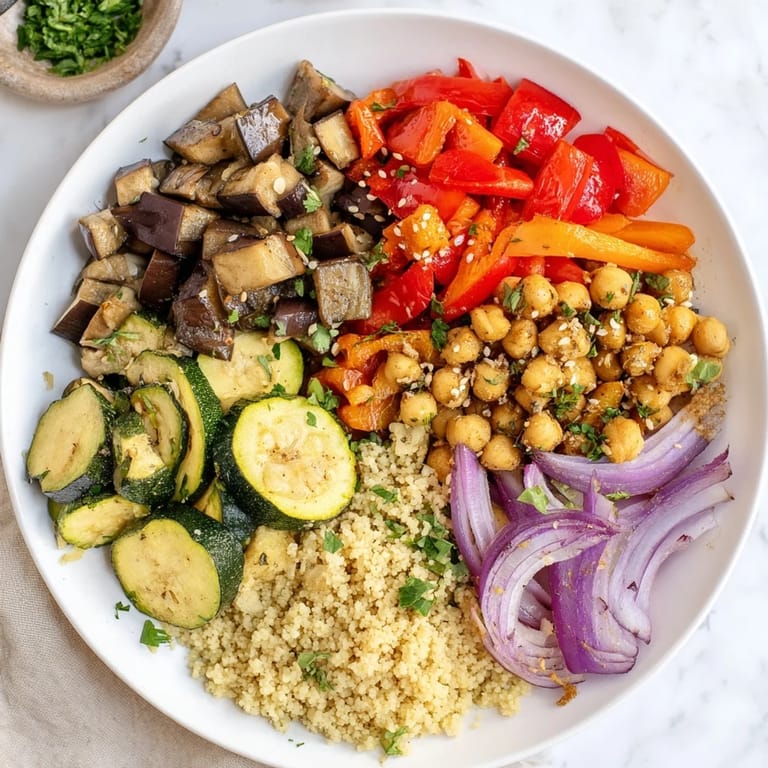
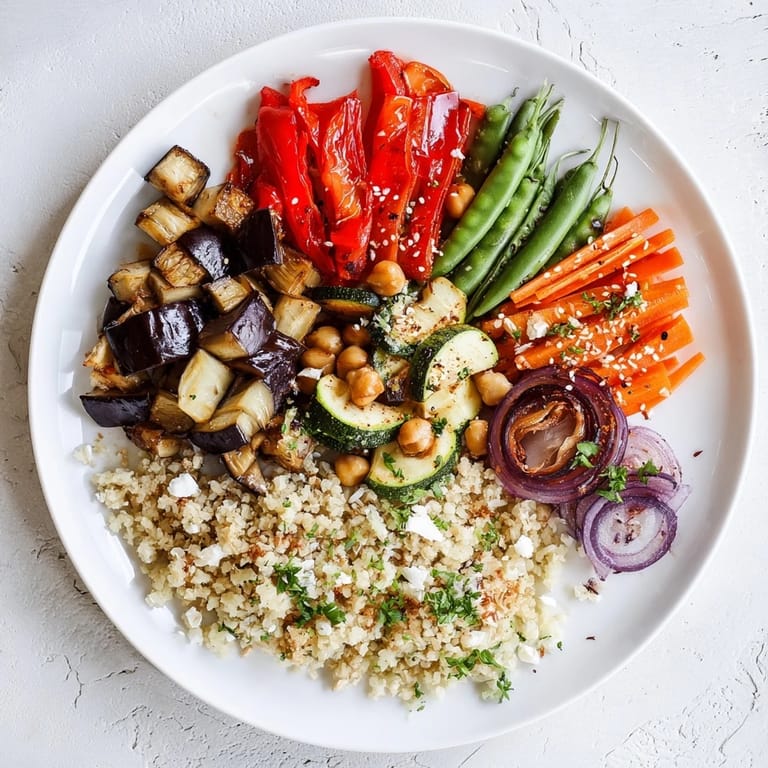
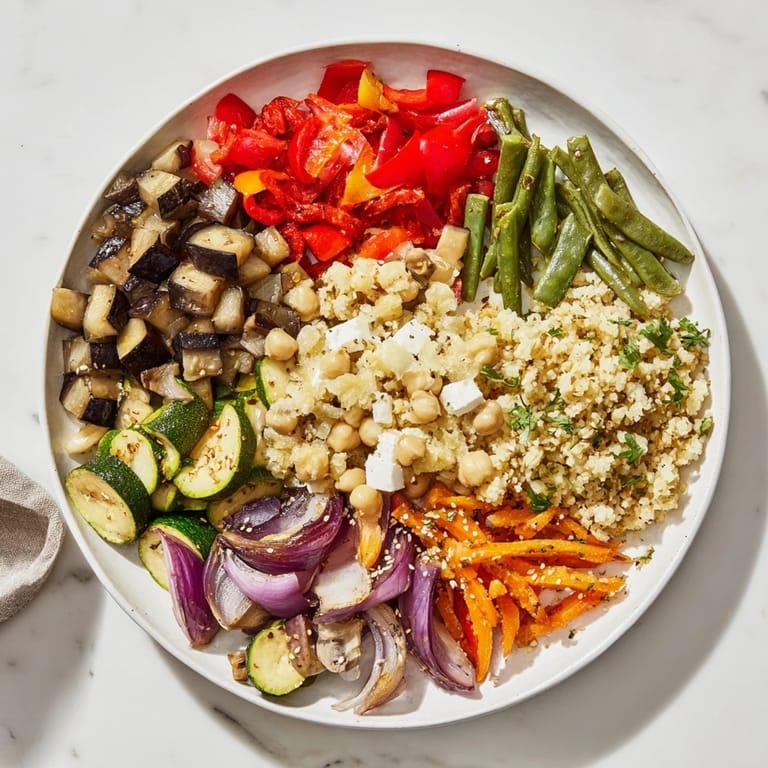
- Place each cluster on a large platter or individual plates in its own section, so the flavors stay distinct and beautiful side by side. Top with feta cheese if using, toasted sesame seeds scattered everywhere, and fresh mint or cilantro leaves.
 Pin It
 There's a moment about halfway through cooking this dish when all three pans are releasing their distinct aromas at once, and your entire kitchen becomes this beautiful, impossible collision of worlds. My grandmother walked in once during that exact moment, stopped in the doorway, and just stood there breathing in—and I realized this recipe had become a way of telling her that food doesn't have to be limited by geography or tradition. It can just be joyful.
Building Your Perfect Bite
The beauty of this recipe is that there's no wrong way to eat it—some people prefer to keep the clusters separate and take measured bites from each, while others immediately start mixing everything together into a kind of global hash. I've watched people be deliberate and exploratory, tasting the Mediterranean first to establish a baseline, then using the Asian cluster as a palate-cleanser before diving into the warm spices of the Middle East. Whatever your approach, you're winning.
Adapting for Your Table
If you're cooking for someone who needs extra protein, grill some chicken breast and lay it across the clusters, or cube some tofu and let it absorb the sesame oil from the Asian cluster. If you want to add lamb, brown it separately and sprinkle it over the Middle Eastern cluster where it belongs—the spices there are built to complement it beautifully. For a vegan version, simply omit the feta and let the tahini in the sesame seeds be your textural richness.
Making It Your Own
The first time you make this, follow the recipe exactly so you understand how the three clusters are supposed to taste in their pure forms. After that, let your pantry and your instincts guide you—swap the zucchini for summer squash, use different mushrooms, add pomegranate seeds or pistachios to the Middle Eastern cluster, or introduce whatever spices are calling to you from your shelf.
- If you don't have rice vinegar, use a splash of white wine vinegar or even fresh lemon juice mixed with water.
- Make the bulgur or quinoa ahead of time and store it in the fridge so you can assemble this dish even faster on busy nights.
- Taste each cluster before serving and adjust the salt and acid independently—they're meant to season themselves.
 Pin It
 This recipe is a reminder that some of the best meals come from curiosity rather than tradition. Serve it with warm flatbread or steamed rice if you want something to soak up the flavors, and watch how people light up when they realize they're traveling the world on a single plate.
Recipe FAQs
- → What are the main flavor profiles in this dish?
The dish features Mediterranean herbs like oregano and olive oil, Asian elements such as sesame oil and ginger, and Middle Eastern spices including cumin, coriander, and cinnamon, creating a balanced, aromatic blend.
- → Can I add protein to these clusters?
Yes, grilled chicken, tofu, or lamb can be incorporated into any cluster for added protein without altering the dish's character.
- → Are there any gluten-free options included?
Yes. Using quinoa instead of bulgur and tamari instead of soy sauce ensures the dish is gluten-free while maintaining flavor.
- → What side dishes pair well with this preparation?
Flatbread or steamed rice complements the vibrant clusters, enhancing the overall meal experience with additional texture and balance.
- → How are the clusters cooked for best results?
Each cluster is sautéed separately over medium heat to develop its unique flavors and textures, then served warm side by side for mixing.
- → What garnishes enhance the dish’s presentation and taste?
Toasted sesame seeds, crumbled feta (optional), and fresh mint or cilantro leaves add visual appeal and fresh, complementary flavors.