 Pin It
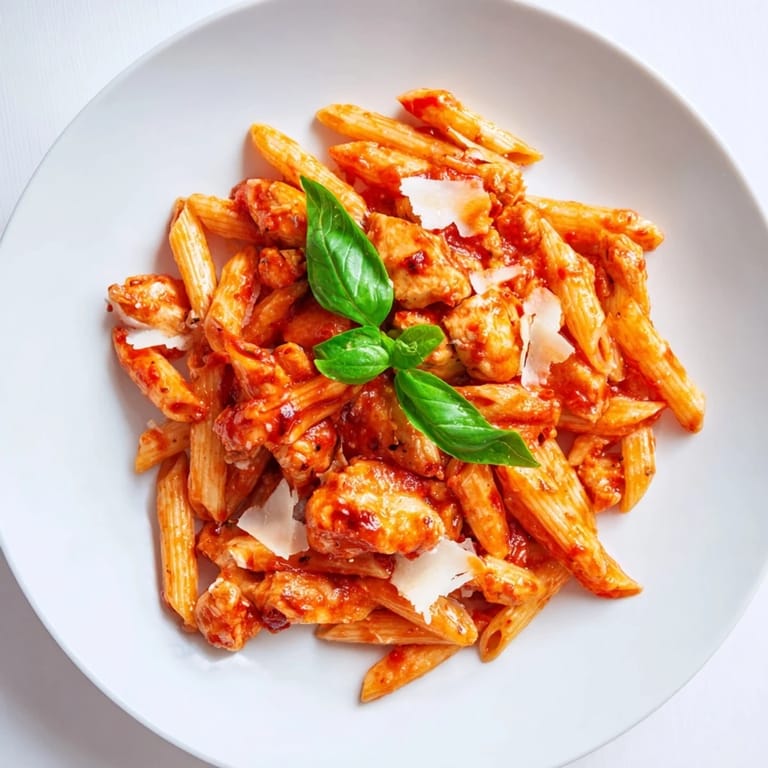
 The smell of garlic hitting hot olive oil still takes me back to my tiny first apartment kitchen, where I made this pasta on repeat during those exhausting graduate school evenings. I had stumbled upon a farmers market with the most fragrant basil I had ever encountered, and something about combining it with simple canned tomatoes felt like discovering a secret language between ingredients. That night, my roommate stumbled in drawn by the aroma and we ended up eating straight from the pan while sitting on the floor laughing about nothing at all. Now this recipe lives in that sweet spot between comfort food and something special enough for guests, which is exactly why it has stayed in my rotation all these years.
Last summer my neighbor Sarah dropped by unexpectedly while I had the sauce bubbling away on the stove. She stood in the doorway breathing in deeply and asked what magic I was creating, then proceeded to cancel her dinner plans just to stay and share a bowl. We sat on my back porch as the sun went down, and she told me it reminded her of the month she spent studying abroad in Rome, eating her way through tiny trattorias. Sometimes the simplest recipes become the ones that weave themselves into your life stories.
Ingredients
- 350 g (12 oz) short pasta: Penne rigate holds sauce beautifully in those ridges, though fusilli catches the tomato bits in its curves just as well
- Generous pinch of salt: This is your only chance to season the pasta itself, so do not be shy with the salt
- 2 medium chicken breasts: Cutting them into bite sized pieces before cooking means they stay tender and cook evenly throughout
- 1 tbsp olive oil: Use a light tasting oil here so the chicken flavor remains the star
- 1/2 tsp salt and 1/4 tsp black pepper: Simple seasoning that lets the natural chicken flavor shine through
- 2 tbsp olive oil: This becomes the foundation of your sauce, so use a good quality extra virgin if you have it
- 3 cloves garlic: Freshly minced releases more oils and flavor than pre chopped garlic
- 800 g canned diced tomatoes: San Marzano tomatoes are worth seeking out for their naturally sweet flavor profile
- 1/2 tsp sugar: Just enough to tame the acidity without making the sauce taste sweet
- 1/2 tsp salt: Essential for balancing and bringing forward all the tomato flavor
- 1/4 tsp crushed red pepper flakes: Add this if you like a gentle warmth that builds slowly
- 1 cup fresh basil leaves: Tear or chop them just before adding to preserve their bright essential oils
- 40 g freshly grated Parmesan: The nutty saltiness it adds ties everything together beautifully
Tired of Takeout? 🥡
Get 10 meals you can make faster than delivery arrives. Seriously.
One email. No spam. Unsubscribe anytime.
Instructions
- Get your pasta water ready:
- Fill your largest pot with water, add a generous handful of salt, and bring it to a rolling boil over high heat while you prep everything else.
- Cook the pasta:
- Add the pasta and cook until it still has a slight bite in the center, then scoop out 1/2 cup of the starchy cooking water before draining.
- Season the chicken:
- Sprinkle your bite sized chicken pieces with the salt and pepper, turning them to coat evenly on all sides.
- Sear the chicken:
- Heat 1 tbsp olive oil in a large skillet over medium high heat until it shimmers, then add the chicken in a single layer and let it develop a golden crust before flipping.
- Set aside the chicken:
- Transfer the golden pieces to a plate, leaving any flavorful browned bits behind in the pan.
- Build the sauce base:
- Add the remaining 2 tbsp olive oil to the same skillet and toss in the minced garlic, stirring constantly for just 30 seconds until it becomes incredibly fragrant.
- Simmer the tomatoes:
- Pour in the diced tomatoes with all their juices, then add the sugar, salt, and red pepper flakes if you like a little heat.
- Let it thicken:
- Let the sauce bubble away uncovered for about 10 to 12 minutes, stirring occasionally until it thickens slightly.
- Bring it all together:
- Stir in the chopped basil and return the chicken to the pan, letting everything get friendly for 2 to 3 minutes.
- Combine with pasta:
- Add the drained pasta directly into the skillet and toss everything together, adding splashes of the reserved pasta water if the sauce seems too thick.
- Finish with cheese:
- Remove from the heat and sprinkle in the Parmesan, tossing one last time until it melts into a glossy coating.
 Pin It
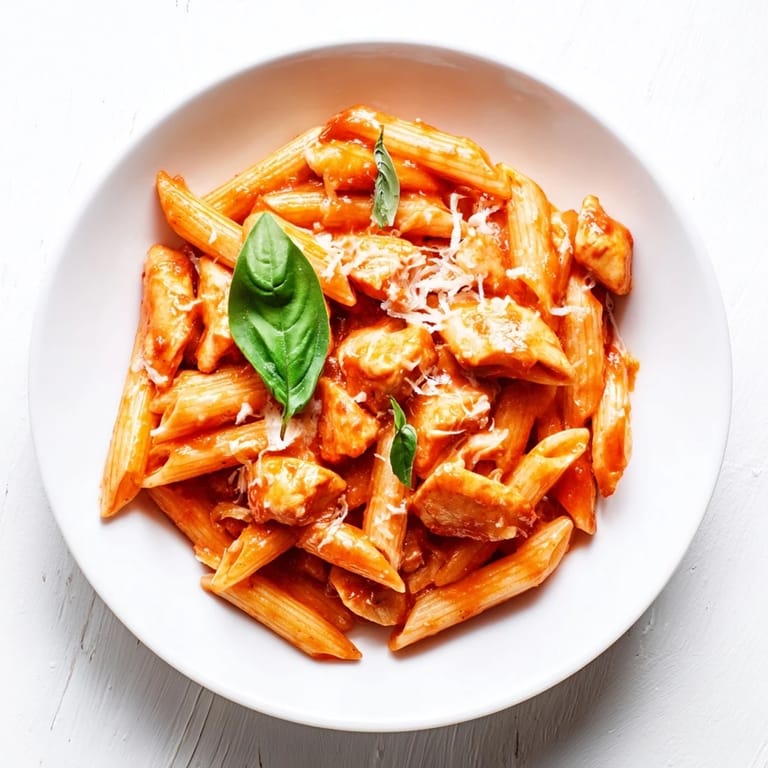
 This recipe became my go to dinner the first year my son started school, when those early pickup days had me scrambling for something fast but nourishing. He would perch on his stool at the counter watching the sauce bubble, and eventually started helping me tear the basil leaves. Now he makes this for his own friends when they come over, and hearing their laughter drifting from the kitchen while garlic sizzles in the pan feels like coming full circle in the best possible way.
Making It Your Own
After years of making this dish, I have learned that substitutions can work wonderfully when you understand what each ingredient brings to the party. Sometimes I swap in spicy Italian sausage for the chicken when I want something heartier, or add a handful of spinach at the very end just to wilt it into the sauce for extra nutrition. The beauty lies in the reliable technique rather than following an unbreakable rulebook.
Perfecting Your Tomato Game
Canned tomatoes vary wildly by brand and season, so taste your sauce before adding the optional sugar. Some San Marzano varieties are naturally sweet enough that the sugar would be unnecessary, while other brands benefit enormously from that pinch to balance aggressive acidity. I keep a small notebook in my kitchen drawer where I jot down which brands work best for my taste.
The Art of Pasta Water
Learning to use pasta water instead of plain water to adjust sauce consistency changed my cooking forever. That cloudy starchy liquid acts as a natural thickener and helps the sauce cling to every curve and crevice of your pasta shapes. The water should look cloudy but not thick or sludgy when you scoop it out, indicating perfectly cooked pasta.
- Always reserve more pasta water than you think you will need
- Add it a splash at a time rather than pouring it all in at once
- Remember that the sauce will continue to absorb liquid as it stands
 Pin It
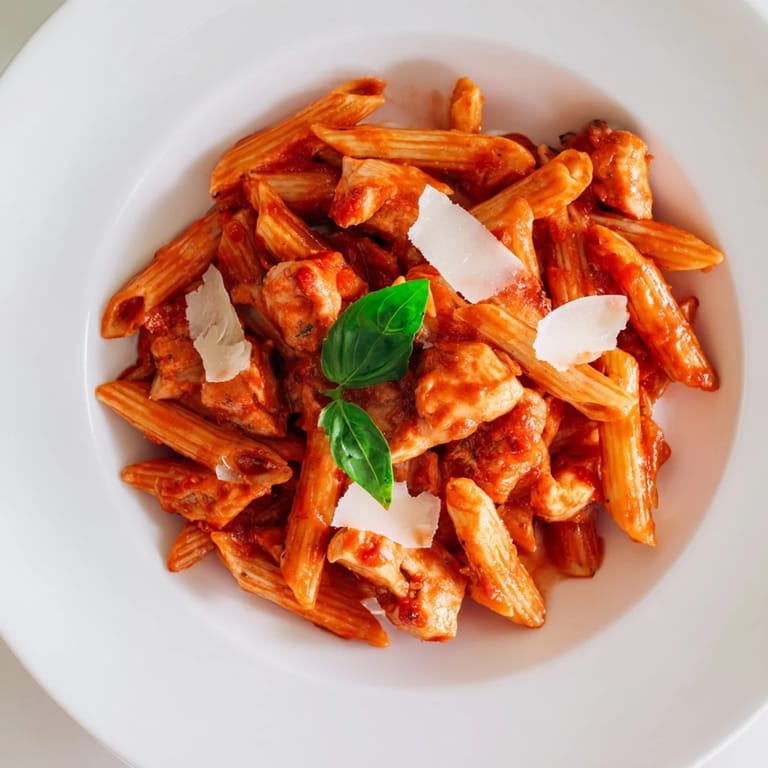
 Gather your favorite people around the table and watch how something this simple can become an occasion worth remembering.
Recipe FAQs
- → Can I use fresh tomatoes instead of canned?
Yes, fresh tomatoes work beautifully when in season. Use about 1 kg (2.2 lbs) ripe tomatoes, blanch and peel them, then dice. Follow the same cooking method, though you may need to simmer slightly longer to achieve the desired sauce consistency.
- → How do I know when the chicken is cooked through?
Sauté the chicken pieces over medium-high heat for 5-7 minutes until they're golden on the outside and no longer pink in the center. For accuracy, use a meat thermometer to confirm the internal temperature reaches 165°F (74°C).
- → What if my sauce is too thin?
Simmer uncovered for an additional 5-10 minutes to reduce and thicken the sauce naturally. Alternatively, add reserved pasta water gradually while tossing with the pasta to reach your preferred consistency.
- → Can I make this vegetarian?
Absolutely. Omit the chicken and add sautéed vegetables such as zucchini, mushrooms, or eggplant instead. Cook them with the garlic before adding the tomatoes for optimal flavor development.
- → How should I store leftovers?
Store in an airtight container in the refrigerator for up to 3 days. Reheat gently on the stovetop over medium heat, adding a splash of water if the sauce has thickened. You can also freeze for up to 1 month, though pasta texture may change slightly upon thawing.
- → What pasta shapes work best?
Penne, rigatoni, and fusilli are ideal choices as their shapes catch and hold the sauce well. Fettuccine or spaghetti are also delicious, though shorter shapes tend to distribute the sauce more evenly throughout the dish.