 Pin It
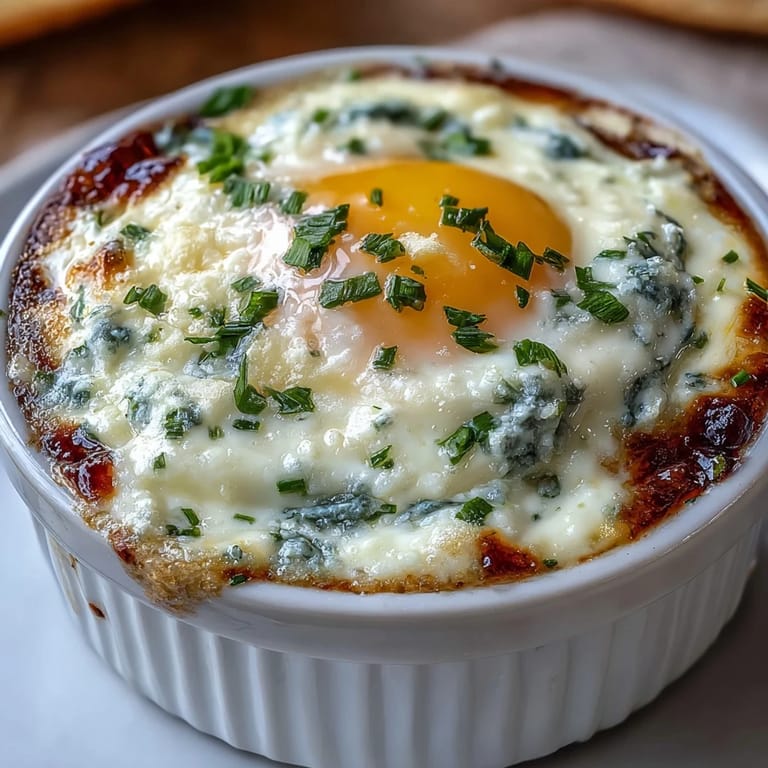
 One brisk spring morning, the sharp scent of fresh chives and thyme tossed me back to a tiny Paris cafe where I first experienced eggs en cocotte done right—with a whisper of cream and that golden, trembling yolk. In my own kitchen, the drama comes not from the preparation but from the gentle anticipation as the eggs bake, my timer ticking quietly while sunlight rolls across the counter. I love the moment the ramekins hit the oven, the kitchen filling with the promise of warmth and comfort even before brunch officially begins. Sometimes a recipe feels like theatre—these elegant baked eggs take a few everyday ingredients, and with very little fuss, create something deserving of applause.
Last Easter, I made these for a small group who arrived chilled and chatty on a blustery morning. As they clustered in my kitchen, we joked over cracked shells and debated how runny we all wanted our yolks—turns out, no two cocottes in my house have ever come out identical. Watching everyone swoop in with their crusty bread, I realized this dish inspires a certain togetherness, even among fierce breakfast purists.
Ingredients
- Unsalted butter: Butter both protects the delicate eggs from sticking and melts over the top, adding a glossy finish. Dot a little extra on top for pure pleasure.
- Heavy cream: The creamy base helps set the custard around the eggs, making every bite lush—pour gently to avoid splashes.
- Parmesan cheese: Use Parmigiano-Reggiano if you can; grating it fresh means every tangy fleck will melt perfectly.
- Large eggs: The star, naturally—crack them into a small cup first to ensure yolks stay whole before sliding into the ramekin.
- Fresh chives, parsley, and thyme: Finely chop and scatter these herbs for brightness; chopping last-minute keeps their flavor sharp.
- Salt and freshly ground black pepper: Season gently, as the cheese brings saltiness too—the black pepper gives a subtle heat that I crave.
- Extra chives or parsley (garnish): A last-minute sprinkle wakes up the whole dish just before serving.
Tired of Takeout? 🥡
Get 10 meals you can make faster than delivery arrives. Seriously.
One email. No spam. Unsubscribe anytime.
Instructions
- Set the Scene:
- Preheat the oven to 375°F and set a kettle of water to boil—the quiet steam adds a sense of suspense before you even start.
- Prep the ramekins:
- Coat each of your four ramekins in soft butter; swirl it up the sides so nothing clings after baking.
- Create the custard base:
- Pour two tablespoons of heavy cream into each ramekin and drop in half the herbs and a touch of parmesan, letting them soften into the cream.
- Add the eggs:
- Crack two eggs into each prepared ramekin, taking care to keep the yolks whole—this little act feels therapeutic every time.
- Season and top:
- Sprinkle the rest of the herbs and parmesan over the eggs, add salt and pepper, then finish with a small piece of butter for extra richness.
- Bake in a water bath:
- Arrange ramekins in a deep baking dish, then pour hot water around them until it rises halfway—listen for the gentle hiss as the water settles in.
- Bake to perfection:
- Bake 12–15 minutes for just-set whites and soft yolks, or a couple minutes longer if you prefer firmer centers—resist the urge to open the oven too soon.
- Finish and serve:
- Lift the hot ramekins from the water (a towel helps) and let them stand a minute or two; garnish with extra herbs and serve with crisp toast for scooping.
 Pin It
  Pin It
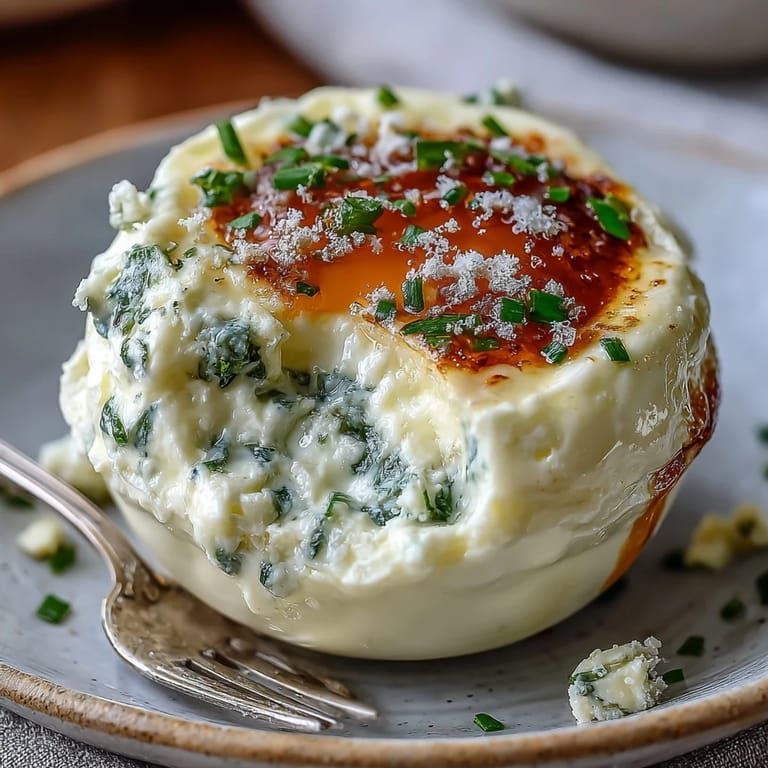
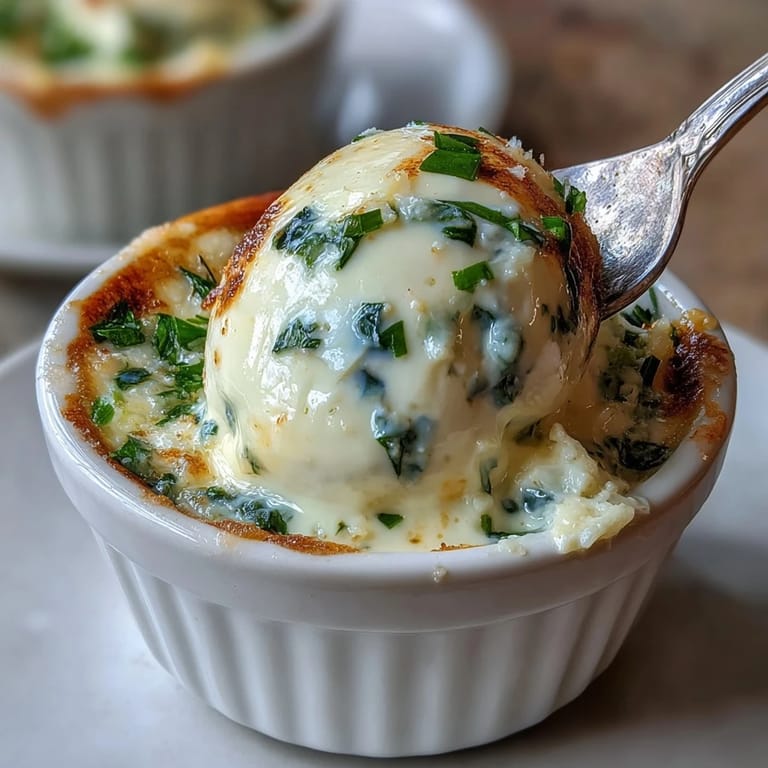
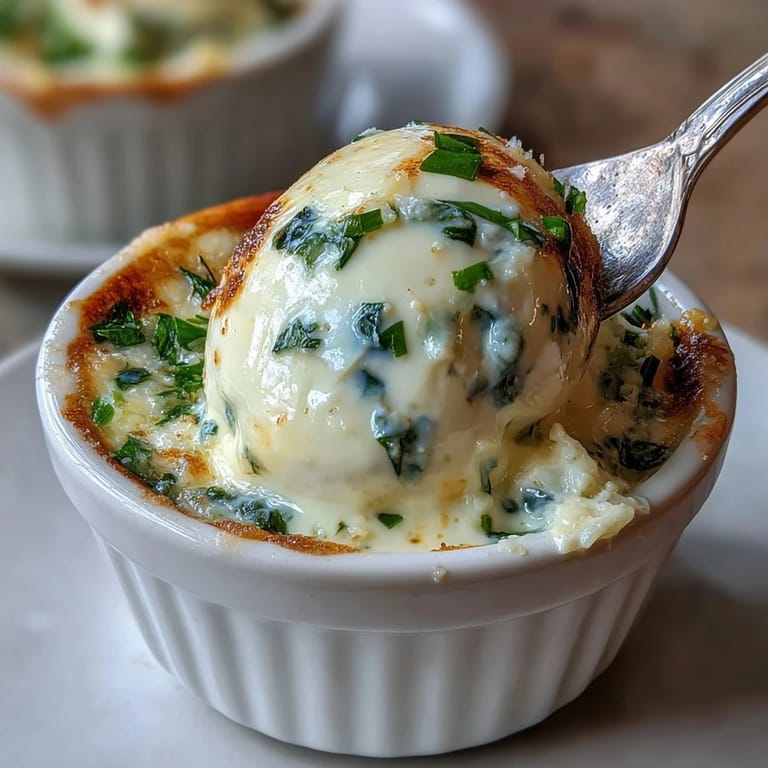
 My niece once declared, between mouthfuls, that these 'taste like morning in a garden'—which is honestly the best compliment I've ever received for any breakfast. When the ramekins come out bubbling, warm, and bright with herbs, it's hard not to feel like you're giving a little hug with every serving.
Making It Your Own
Additions like a ribbon of smoked salmon or a handful of baby spinach at the bottom of the ramekin turn these eggs into a canvas for whatever you have on hand. Sometimes I swap parmesan for Gruyère or goat cheese, which transforms the whole character of the dish in a single handful. Just keep in mind a light touch—these eggs shine best when nothing outshines them.
Easy Brunch Planning
This recipe scales up beautifully, and all the prep can be done while guests sip coffee nearby. I like to put out bowls of toasted brioche soldiers and a little dish of salted butter for anyone who likes to scoop up every last bit of creamy yolk. And since ramekins are so forgiving, there's no rush—everyone gets a warm, fresh serving at once.
Finishing Touches and Little Luxuries
For the finishing flourish, a sprinkle of bright herbs right before serving adds color and a hint of green flavor that slices through the richness. If you're feeling celebratory, a dusting of fresh cracked pepper or a drizzle of truffle oil lifts it to another level. And honestly, don't underestimate what a toasted hunk of bread can do for soaking up every last trace.
- Let ramekins cool slightly before serving so no one burns their tongue.
- A pinch of smoked paprika over the top is irresistible.
- Don't forget to double-check the oven—these eggs set quickly!
 Pin It
  Pin It
 May these eggs en cocotte make your next brunch feel effortless and a little luxurious. Serve with good coffee, warm bread, and plenty of laughter for the very best results.
Recipe FAQs
- → How long should I bake the eggs?
Bake in a water bath for 12–15 minutes for set whites and soft yolks. Add 2–3 minutes for firmer yolks; ovens vary so check for a slight wobble in the yolk center.
- → Why use a water bath?
The water bath provides gentle, even heat that prevents the custard from curdling and keeps the cream and eggs silky rather than rubbery.
- → Can I assemble ahead of time?
Yes. Assemble ramekins, cover, and refrigerate up to a day. Bring to fridge temperature before baking and add a minute or two to baking time if chilled.
- → What cheeses can I swap for parmesan?
Gruyère adds nuttiness and melt, goat cheese brings tang and creaminess. Adjust salt accordingly as stronger cheeses may increase seasoning needs.
- → What ramekin size is needed and how many servings?
Use 6-ounce (175 ml) ramekins and this yields 4 servings (two eggs per ramekin). For larger dishes, increase baking time and monitor doneness closely.
- → Any allergen or vegetarian considerations?
Contains eggs and dairy. Parmesan may use animal rennet; choose vegetarian-labeled cheese if avoiding animal rennet.