 Pin It
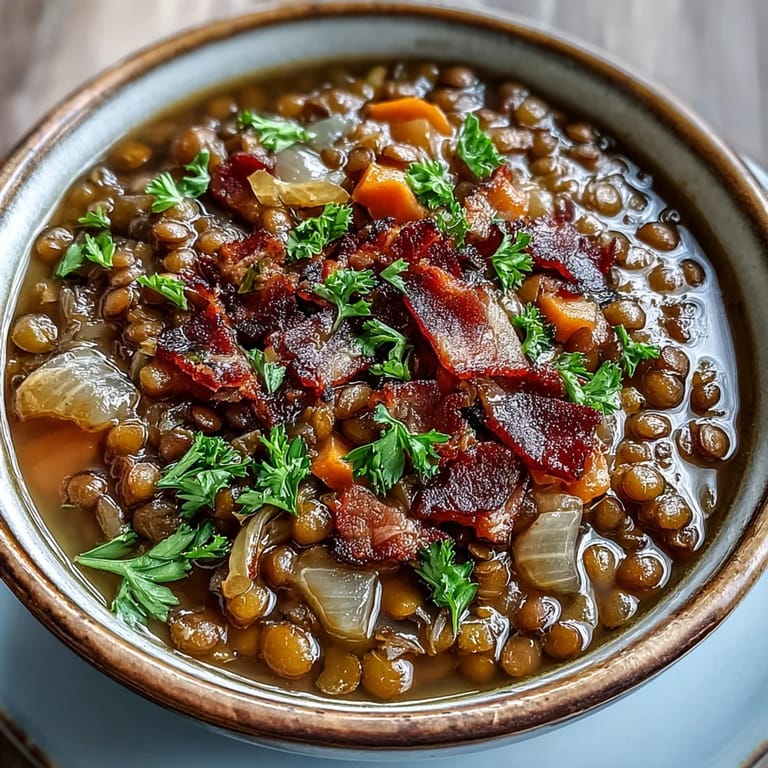
 There's something about a one-pot meal that feels like a small victory in the kitchen. Years ago, on a particularly dreary Tuesday evening, I found myself with leftover ham, a bag of lentils, and the desire to create something warm without wrestling with multiple pans. What emerged from that single pot was this stew—hearty, deeply satisfying, and so forgiving that even my underwatered herbs couldn't derail it. Now I return to it whenever I need comfort food that doesn't demand a cleanup odyssey.
I'll never forget serving this to my neighbor during a particularly stressful week in her life—she'd just moved and was living out of boxes. Watching her face light up as she took that first spoonful, the steam rising from her bowl, reminded me that sometimes the most meaningful meals are the simplest ones. She asked for the recipe before she'd even finished eating.
Ingredients
- Cooked ham, 250 g (about 9 oz), diced: The soul of this stew—use quality ham if you can, as the meatiness really does elevate everything else. Don't go too fine with the dice; you want pieces that hold their shape and deliver that satisfying chew.
- Dried brown or green lentils, 250 g (1¼ cups), rinsed: Brown lentils hold their structure better than red ones, which would dissolve into mush. A quick rinse under cold water washes away dust and any debris that might've hitched a ride from the farm.
- Medium onions, 2, finely chopped: These are your flavor foundation, so don't skip them or rush the chopping. They'll caramelize slightly and become almost sweet by the time the stew finishes.
- Medium carrots, 2, diced: The natural sugars in carrots complement the ham beautifully and add subtle sweetness that balances the earthiness of lentils.
- Celery stalks, 2, diced: Often overlooked, but celery adds an aromatic quality that makes people say, 'I can't quite put my finger on what makes this taste so good.'
- Garlic cloves, 3, minced: Fresh garlic is non-negotiable here—it wakes up the entire pot in ways jarred garlic simply can't match.
- Low-sodium chicken or vegetable stock, 1.2 L (5 cups): The liquid that ties everything together, so choose one you'd actually drink on its own. Low-sodium gives you control over the final salt level.
- Bay leaf, 1: A quiet contributor that adds complexity without announcing itself; don't forget to fish it out before serving.
- Dried thyme, 1 tsp: Thyme feels like it was made for ham and lentils—earthy but never overwhelming.
- Smoked paprika, ½ tsp: This is the secret that makes people ask what's in here. It adds warmth and a hint of smokiness that echoes the ham without overpowering.
- Salt and freshly ground black pepper, to taste: Always taste as you go—the stock likely has salt, and the ham certainly does, so go gently at first.
- Fresh parsley, 2 tbsp, chopped (optional): A final sprinkle that adds brightness and visual appeal, like opening a window right before guests arrive.
- Olive oil, 1 tbsp: Just enough to keep everything from sticking and to help the aromatics release their magic into the pot.
Tired of Takeout? 🥡
Get 10 meals you can make faster than delivery arrives. Seriously.
One email. No spam. Unsubscribe anytime.
Instructions
- Heat your pot and begin the aromatics:
- Warm the olive oil over medium heat in your large pot, then add the onions, carrots, and celery. You're aiming for that moment when they soften and start to smell irresistible—usually about 6 to 8 minutes of gentle stirring.
- Let the garlic sing:
- Once the vegetables are tender, stir in the minced garlic and cook for just a minute. That shift from raw to fragrant happens fast, so don't wander away from the stove.
- Introduce the ham:
- Add the diced ham and stir occasionally for about 2 minutes. This isn't about cooking the ham so much as warming it through and letting its flavors begin mingling with everything else.
- Build the base:
- Pour in the stock and add the rinsed lentils, bay leaf, thyme, and smoked paprika. Stir well to distribute everything evenly, then add a small pinch of salt and pepper—you can always adjust later.
- Bring it to a gentle boil:
- Turn the heat up just enough to get the mixture bubbling visibly. You'll notice the lentils starting to float and bob around.
- Simmer low and slow:
- Reduce the heat to low, cover the pot, and let it bubble away gently for 35 to 40 minutes. Stir occasionally—not constantly, just enough to make sure nothing's sticking to the bottom and the flavors are mingling. The lentils should eventually become tender enough to break with a wooden spoon but still hold their shape.
- Finish and adjust:
- Remove the bay leaf and taste a spoonful. This is your moment to add more salt, pepper, or even a touch more smoked paprika if the flavors feel muted.
- Serve with joy:
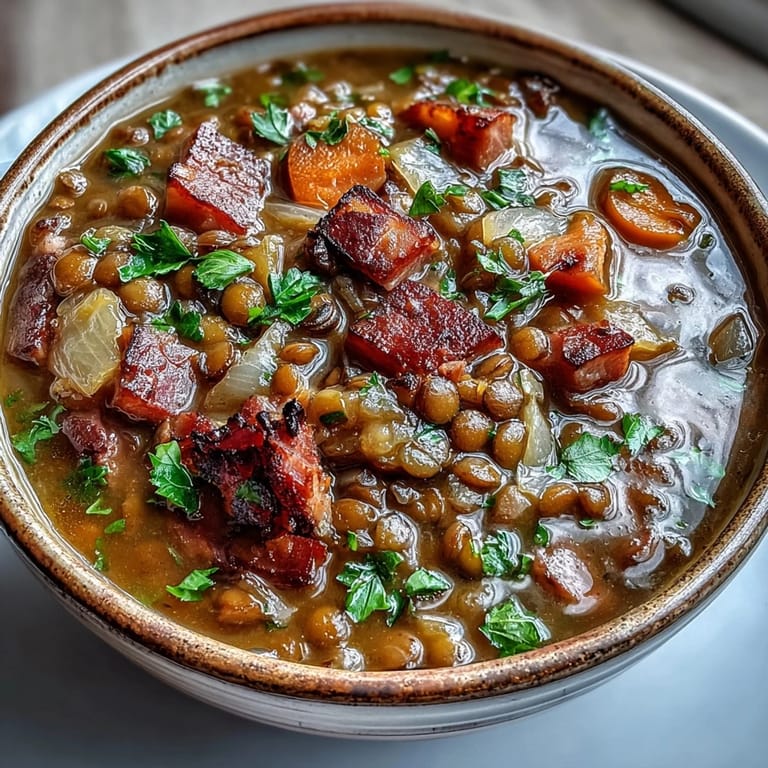
- Ladle the stew into bowls while it's piping hot, scatter fresh parsley on top if you have it, and enjoy with crusty bread if you're feeling generous.
 Pin It
 What struck me most about developing this recipe was how it brought people together without requiring a fancy presentation or hours of my attention. It's the kind of dish that works equally well at a casual weeknight table or when you're feeding someone who needs more than just food—they need the evidence that someone cared enough to cook.
The Magic of One-Pot Cooking
There's a real beauty to the one-pot method that goes beyond just saving dishes. When everything cooks together, the flavors become integrated rather than separate, and you develop what chefs call 'fond'—those browned bits stuck to the bottom of the pot that carry incredible depth. As you stir and simmer, those bits dissolve back into the stew, enriching every spoonful. I've come to believe that the best flavors come from this kind of patient, undisturbed cooking where ingredients have time to understand each other.
Storing and Reheating
This stew is genuinely one of those rare dishes that improves with time. I always make it with an eye toward leftovers because day two is when the flavors really settle into harmony. Store it in an airtight container in the fridge for up to four days, or freeze it for months. When reheating, go low and slow on the stovetop rather than the microwave—it keeps the lentils from breaking down further and restores that lovely texture.
Variations and Flexibility
I appreciate recipes that bend without breaking, and this one certainly does. If ham isn't your thing, smoked tofu creates a surprisingly convincing substitute, or you can simply load up on extra vegetables and call it vegetarian. Some people swear by Puy lentils, which hold their shape even more stubbornly than brown lentils, while others prefer the earthiness of green. The beauty of a stew is that it's forgiving enough to meet you where you are with what you have, which feels like the whole point of home cooking.
- Serve with crusty bread for soaking up every last drop of broth.
- A dollop of sour cream or yogurt adds creaminess if you're in the mood for richness.
- Leftovers make excellent lunch material the next day, often tasting even more flavorful than when freshly made.
 Pin It
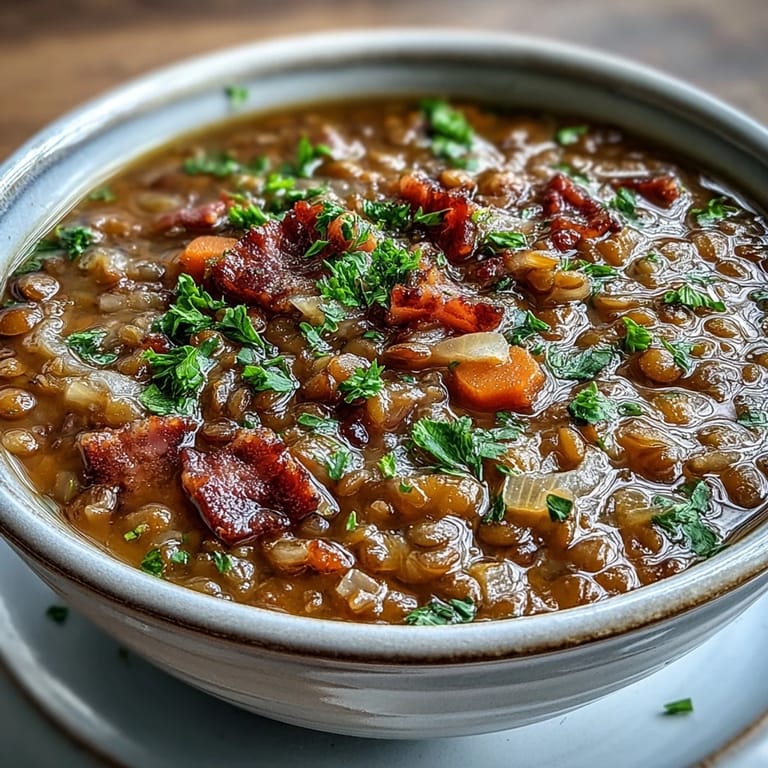
 This stew has become my go-to when I need something honest and nourishing, something that tastes like it took more effort than it actually did. That's really the whole promise of it.
Recipe FAQs
- → Can I make this stew vegetarian?
Yes, by omitting the ham and adding extra vegetables or smoked tofu, you can create a flavorful vegetarian version.
- → What type of lentils work best?
Brown or green lentils hold their shape well and develop great texture, but Puy lentils can be used as an alternative.
- → How should I store leftovers?
Store the stew in an airtight container in the refrigerator. Flavors often improve after sitting for a day.
- → Can I prepare this stew in advance?
Absolutely, it can be made ahead of time and gently reheated, allowing the flavors to deepen further.
- → What sides pair well with this stew?
Crusty bread or a simple green salad complement the stew nicely, balancing its rich, hearty flavors.